Don't dream, build your own with us.
Download product catalog


Screed floor machine spare parts help restore safe, stable, and efficient machine operation when original components become worn, damaged or inaccurate. The right replacement part can improve mixing quality, control air pressure, reduce material loss and prevent unplanned downtime.
Our floor screed machine parts range includes mixer components, pneumatic parts, pressure-control instruments, wear-resistant liners and screeding accessories. To buy the spare product, continue reading.
Floor screed machines work with rough materials such as sand, cement, lightweight aggregate and semi-dry mortar. Their replacement parts must withstand friction, impact, vibration and repeated pressure cycles.
Important part groups include mixer components, air-system parts, wear protection, pressure instruments, material-transfer components and operator accessories.
The mixer blade base, technically known as a mixing blade holder, connects the blade to the mixer assembly. It keeps the blade in the correct position while the material is being mixed.
A worn or bent holder may change the blade angle, create vibration, or produce uneven mixing. Before ordering, check the mounting-hole pattern, installation position and compatibility with the mixer model.
Another screed floor machine spare parts include the mixer blade. The mixer blade moves cement, sand, water and additives inside the mixing vessel. Its shape and position directly affect mixing speed and uniformity.
Because the blade works continuously against abrasive materials, its edges gradually become thin or rounded. A severely worn blade can increase mixing time and leave unmixed material inside the vessel.
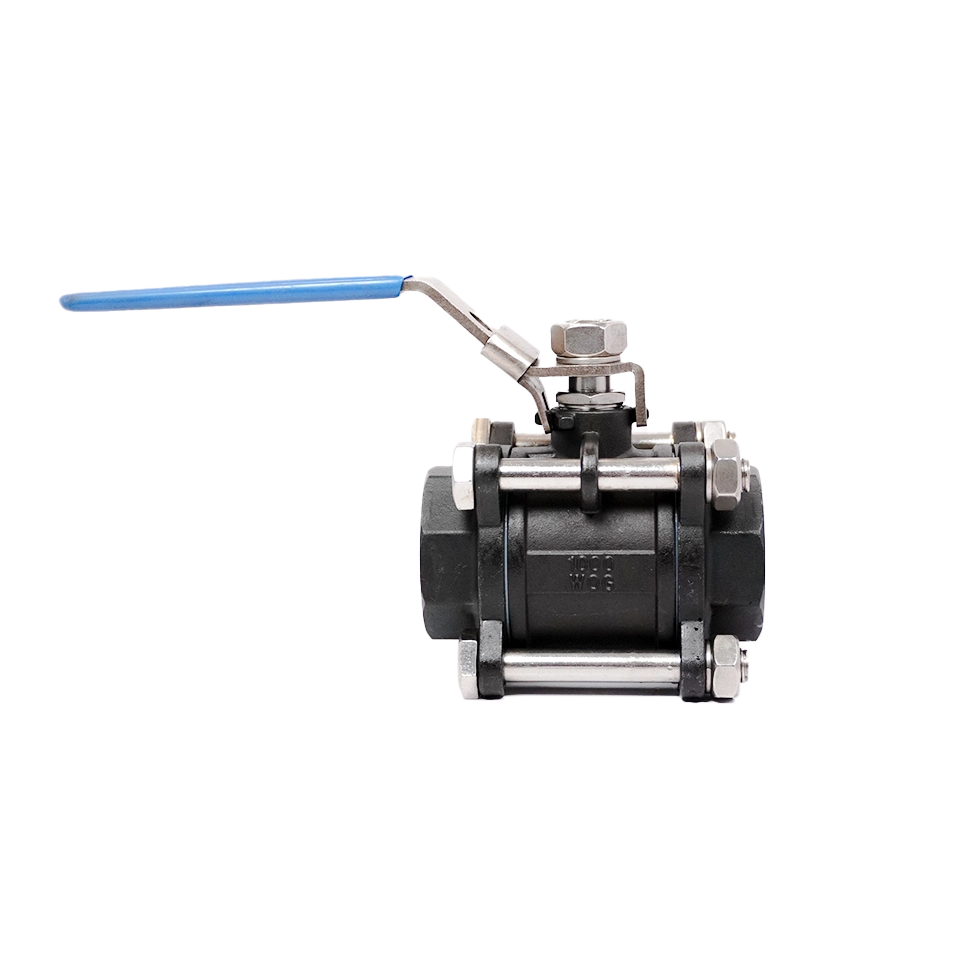
The four-screw air valve is used in the pneumatic system of compatible screed machines. It helps control the compressed air required for material transfer.
Air leakage, difficult operation or unstable pressure can indicate wear inside the valve. The connection size, valve design, working pressure, and mounting arrangement must match the machine when you want to buy screed machine spare parts.
Plastic shoes are useful accessories for operators working on freshly placed screed. Their wider contact surface helps distribute body weight and reduces deep footprints in the material.
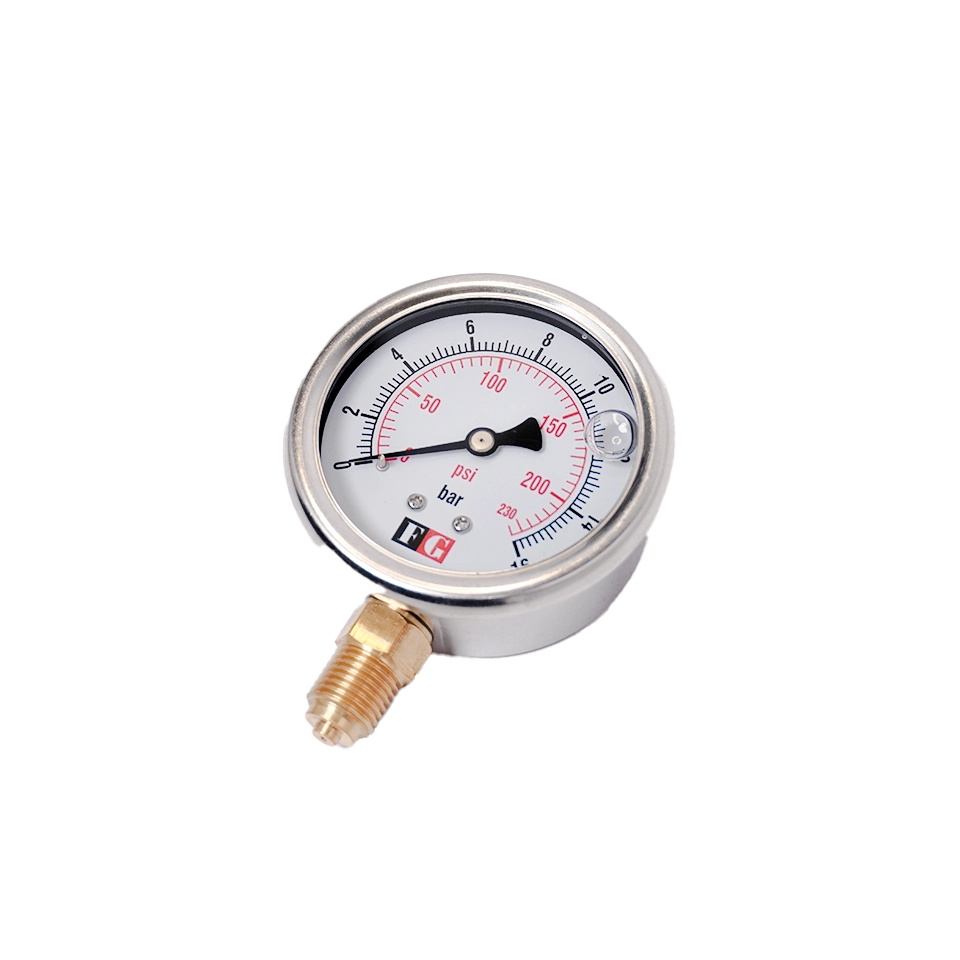
The air gauge allows the operator to monitor pressure during mixing and pneumatic material delivery. A clear and accurate reading is important for identifying pressure changes and possible blockages.
A gauge needs replacement if its pointer remains at zero, moves irregularly, does not return to zero, or gives a reading that differs from a tested reference gauge.
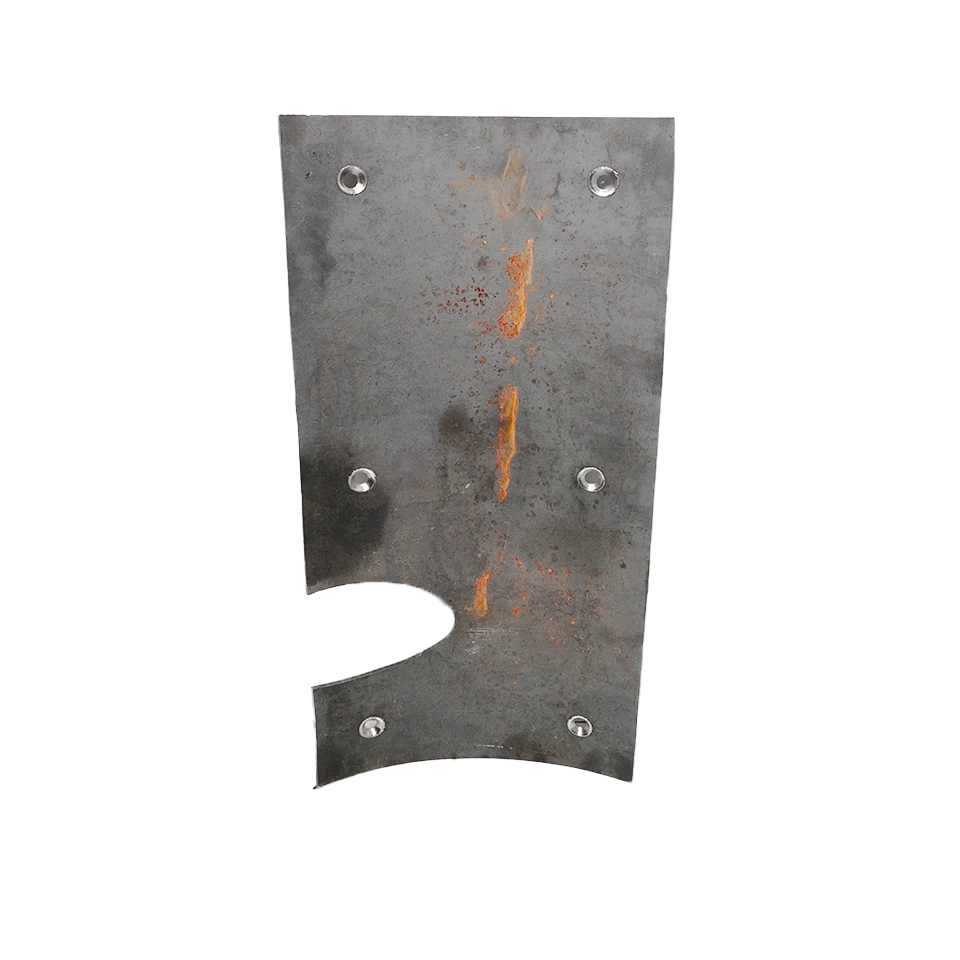
The mixer anti-wear sheet, also called a mixer wear plate or liner, protects the inner surface of the mixing vessel from abrasion and impact.
Wear plates are available in different materials, thicknesses, and mounting patterns in screed machine spare parts. Replacement should not be delayed when a plate becomes very thin, cracked, loose or worn through.
Always stop the machine, release stored air pressure and follow the manufacturer’s service instructions before inspection.
Start with the symptom. Poor mixing may be related to worn blades, damaged blade holders or worn mixer liners. Pressure loss may come from a leaking valve, loose connection, damaged seal or air-line problem. An abnormal pressure reading can indicate either a faulty gauge or a real blockage in the delivery system.
Look for cracks, deformation, loose fasteners, air leakage, excessive vibration and unusual noise. Compare wear parts with their original dimensions when possible. Parts should also be inspected together: installing a new blade on a damaged holder, for example, may cause early wear.
Do not select screed machine spare parts only by their general appearance. Similar-looking components may have different dimensions or mounting patterns.
Before ordering, provide:
The price of floor screed machine spare parts depends on the material, manufacturing process, dimensions, wear resistance, and technical accuracy. Compatibility with a specific machine model can also affect the cost.
Heat-treated mixer parts and wear-resistant alloy liners usually cost more than basic components, but purchase price should be considered together with expected service life. Order quantity, availability, and transport costs may also change the final price.
Tiran Tunnel Bistoon supplies replacement parts for screed floor machines and construction-material transfer equipment. Customers can review the available products or contact the technical team with machine information, measurements, and photos to check compatibility before purchasing. Contact us to buy the exact spare parts.