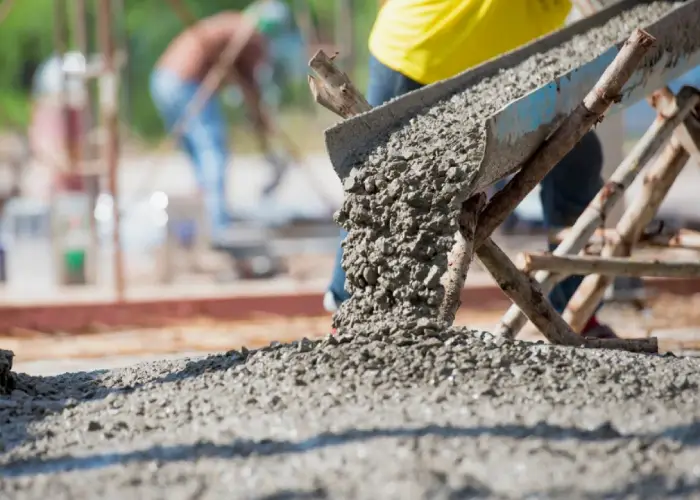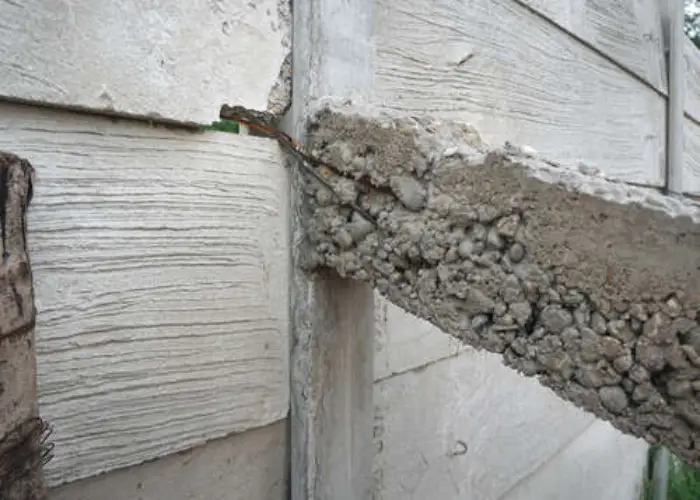
Concrete segregation happens when the materials in fresh concrete separate instead of staying evenly mixed. For example, large stones can settle to the bottom, while the cement paste and water rise to the surface. This can cause the concrete to lose strength, impact its durability, and cause defects in the structure. Excess water, improper mix design, and improper handling and placing are the primary causes. In this article we will read all about concrete segregation meaning, its causes and how to prevent it.
What Is Concrete Segregation?
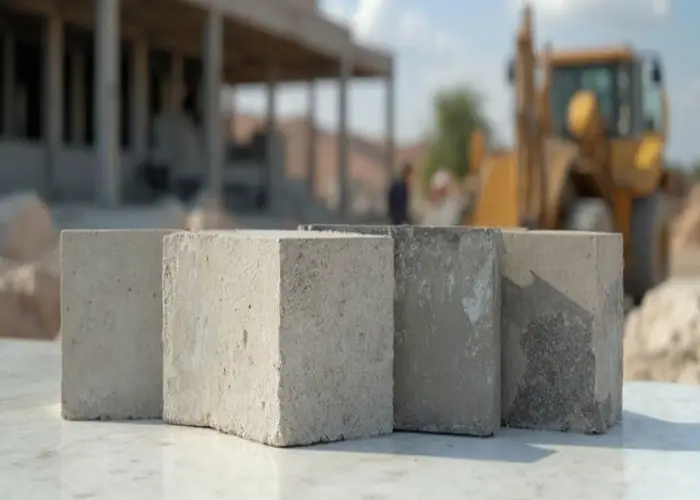
Separation of materials in fresh concrete is called concrete segregation. A normal concrete mix contains cement, water, sand, and coarse aggregate. Materials should not segregate during transportation or placement. In segregation, some areas of the concrete contain more stones, while others contain more cement paste and sand.
There are two major types of aggregate segregation:
- Coarse aggregate separation: Coarser aggregate particles roll away from the mortar and end up in some places.
- Mortar separation: When the cement paste and sand are separated from the coarse aggregates.
Bleeding is another type of segregation that happens when water rises to the surface of fresh concrete.
What Causes Concrete Segregation?
Concrete segregation can occur during mixing, transporting, or placement of concrete for several reasons.
Too Much Water
Concrete becomes unstable when too much water is added. Water and smaller aggregates can float to the top of the mixture while heavier aggregates sink. In addition, a high water/cement ratio can lead to spongier, lower-strength, and less durable hardened concrete.
Poor Mix Design
The cement/sand/water/aggregate ratio influences concrete strength. When the mix lacks enough fine aggregates, the mortar may not be sufficient to maintain a uniform distribution of coarse aggregates.
Wrong Transportation
Concrete may separate during transport through inappropriate chutes, buckets, and conveyors.
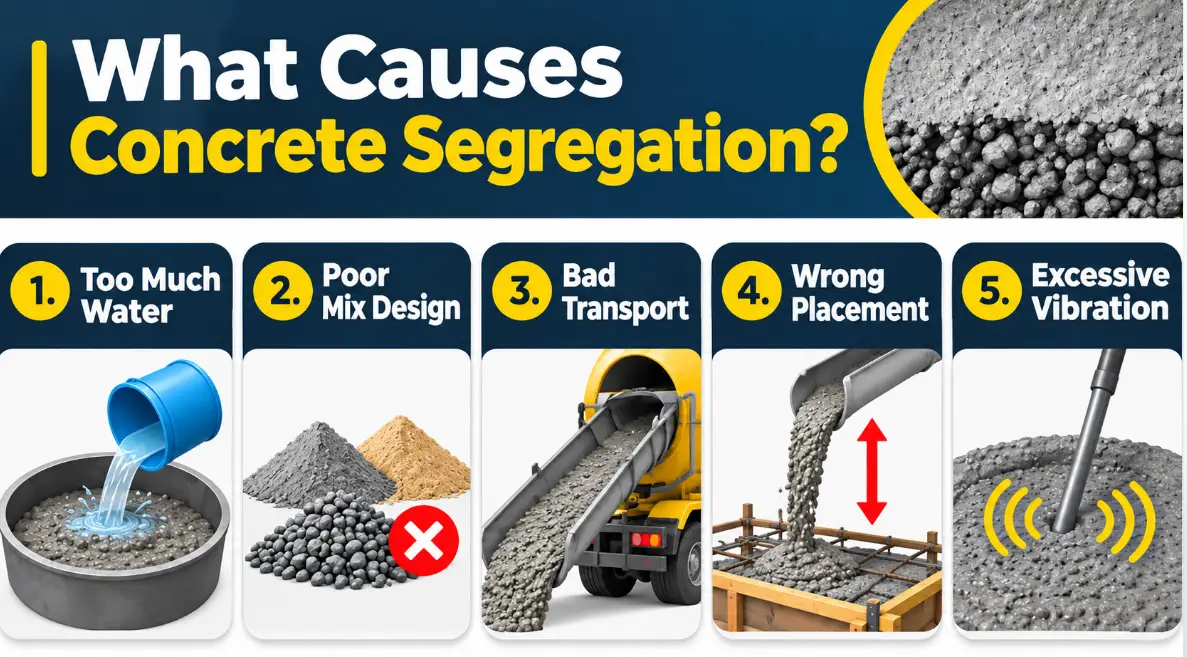
Incorrect Concrete Placement
Concrete can be thrown from an improper elevation, causing the materials to separate if it is dropped onto reinforcement and formwork.
Excessive Vibration
Other causes of concrete segregation include vibration. Concrete vibration removes entrapped air and fills space around reinforcement. But in aggregates with too much mortar, excessive vibration can cause coarse aggregates to settle.
What Are the Effects of Segregation in Concrete?
Common problems of segregation in fresh concrete include:
- Lower strength: If materials are not evenly distributed, it creates weak areas in the structure.
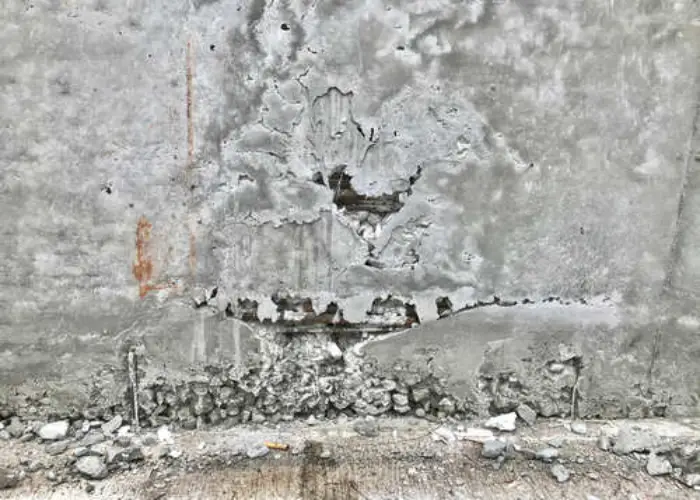
- Honeycombing: If it is not filled properly, stones may be exposed and visible gaps may form.
- Increased permeability: Poorly constructed concrete can allow water and harmful contaminants to penetrate more easily.
- Weak and porous sections reduce durability and may lead to damage and corrosion of reinforcement.
- Poor surface finish: Concrete may be rough, have exposed aggregates, and uneven textures.
How to Prevent Concrete Segregation
Avoid concrete segregation by using an appropriate mix and proper placing procedures.
Use the appropriate mix design.
Use well-graded aggregates and adhere to the approved mix design. Do not add additional water, as it may destabilize the concrete. Use appropriate admixtures for improved workability.
Handle Concrete Properly
Use suitable material transfer equipment to transport concrete where compatible with the mixture and application. Do not transfer and change the direction of discharge.
Place Concrete Carefully
Place concrete as close as possible to the final set. Avoid excessive free fall or horizontal movement, as this can cause aggregates to separate.
Use Proper Vibration
Vibrate with an appropriate concrete vibrator to eliminate air pockets and compact the mix to avoid segregation. Avoid excessive vibration, especially in unstable mixes.
Check Concrete Quality
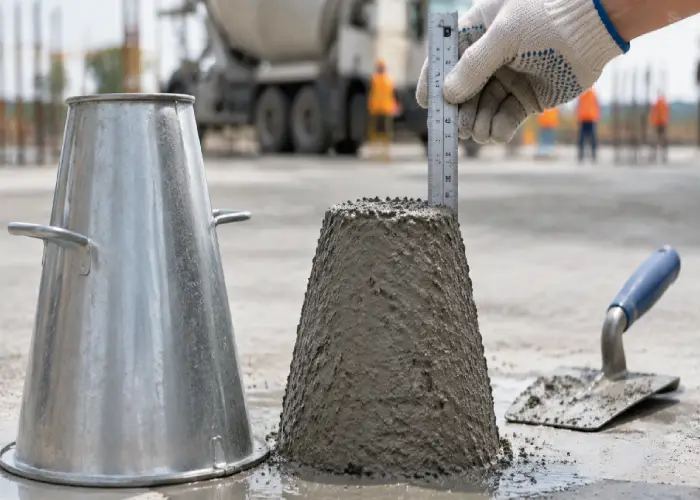
Examine fresh concrete before and during placement. Check for poor aggregate distribution and surface water. Slump test measures workability, but not segregation resistance.
Concrete Segregation vs. Bleeding: What Is the Difference?
Bleeding and segregation are closely related, but they describe different types of material movement. Bleeding is a form of segregation in which water rises to the surface as the heavier solid materials settle. Here are details about concrete segregation vs bleeding:
| Feature | Aggregate Segregation | Bleeding |
| What happens? | Stones separate from mortar | Water rises to the surface |
| Main cause | Poor mix stability or handling | Settlement of solid materials |
| Visible sign | Uneven distribution of stones and mortar | Water collecting on the surface |
| Main problem | Weak and uneven concrete | Weak surface and finishing problems |
What Equipment Is Used for Concrete Work?
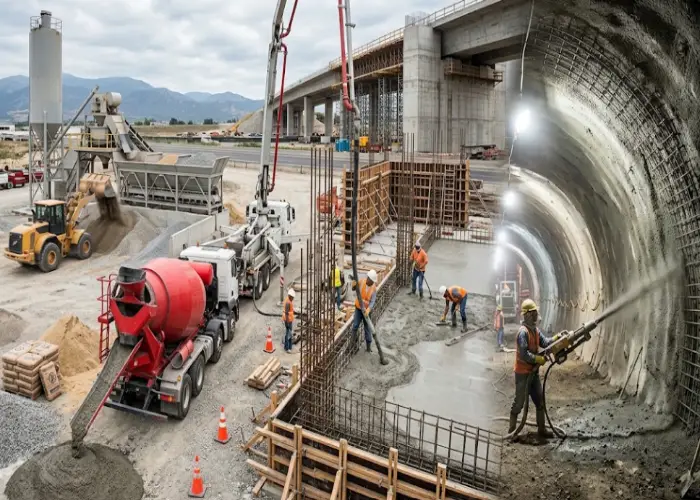
Construction equipment is essential to enable contractors to mix, transport, place, and compact concrete. The right equipment is dependent on the project and the actual application:
- Mortar pumps: Pump mortar for various construction and finishing applications.
- Concrete mixers: Add water to cement, sand, and aggregates.
- Concrete pumps: Pump fresh concrete in pipelines to the desired area.
- Concrete Vibrators: Dismantle trapped air and enhance compaction.
- Sand conveying machines: Transport sand and other appropriate materials to various work sites.
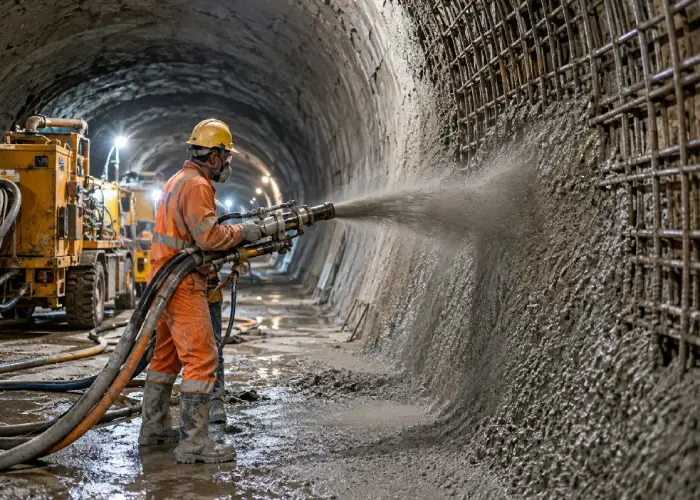
- Shotcrete machines: Spray concrete onto walls, slopes, and other surfaces.
Proper equipment use and operation prevent concrete segregation and improve construction quality.
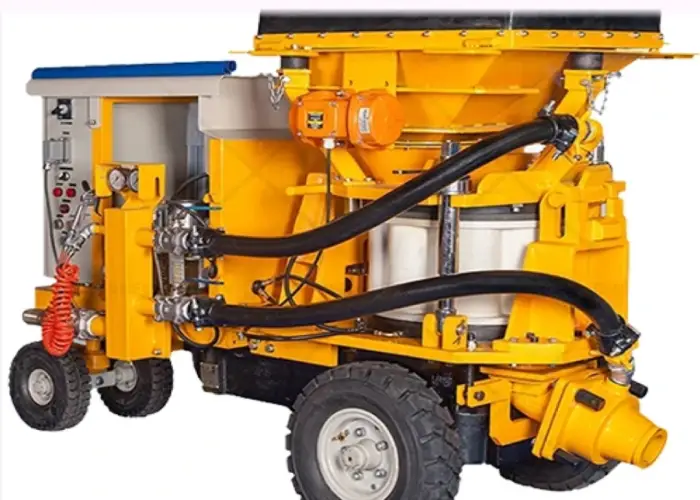
Construction Equipment by Tiran Tunnel Bistoon
Tiran Tunnel Bistoon provides construction equipment such as concrete sprayers, concrete applicators, and concrete transportation equipment. We also offer equipment such as wet shotcrete machines, dry shotcrete machines, mortar pumps, sand conveying equipment, and cement and plaster spraying machines. Visit our website and place your order.
FAQs
What is the main cause of concrete segregation?
Common causes include excess water, poor mix design, unsuitable aggregate grading, and improper concrete handling or placement.
Can vibration cause concrete segregation?
Excessive vibration can cause segregation in unstable mixes. However, properly designed concrete generally resists segregation during normal vibration.
What is the difference between segregation and bleeding?
Segregation involves the separation of concrete materials. Bleeding is a specific type of segregation in which water rises to the surface.
How can you identify concrete segregation?
Look for coarse aggregates collecting in one area, excess mortar in another, or unusual water separation during concrete placement.
Which machines are used for concrete spraying?
Shotcrete machines spray wet or dry concrete onto surfaces. They are commonly used in tunnels, slopes, and other construction projects.