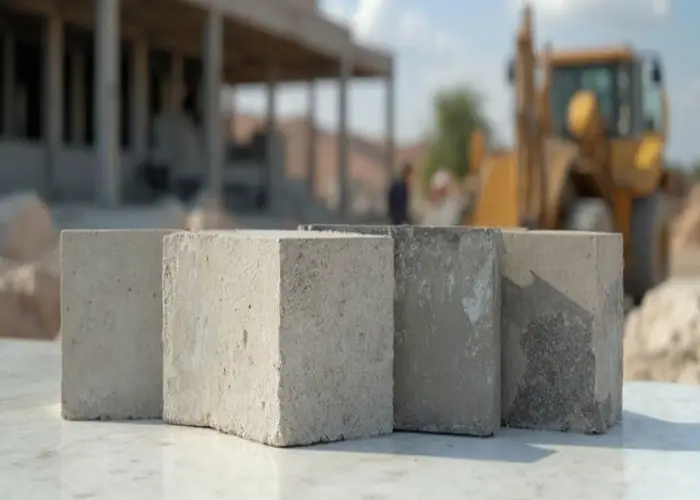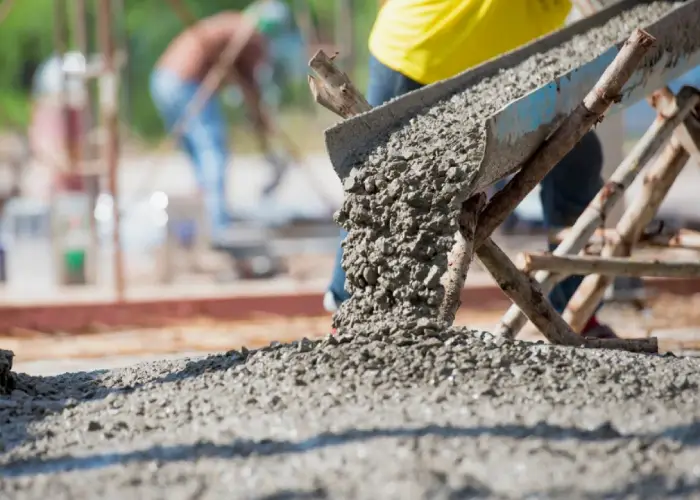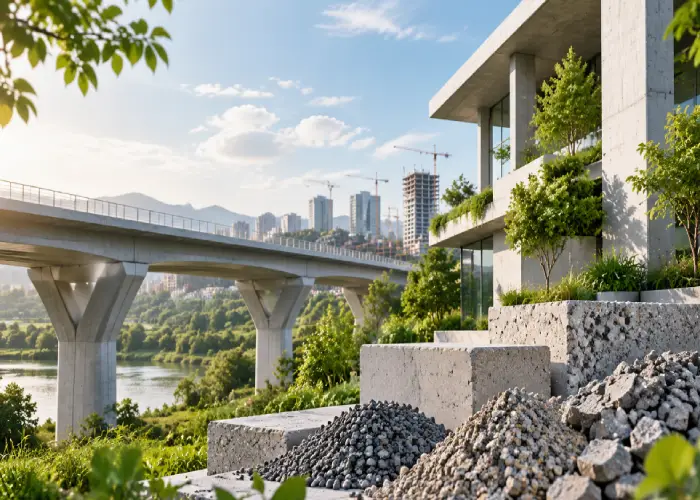
Is concrete sustainable? Concrete is not fully sustainable because making cement releases CO₂ and uses a lot of energy. However, concrete can be more environmentally friendly when manufacturers use lower-carbon cement, recycled materials, and better production methods. Its long service life can also reduce the need for frequent repairs and replacement. In this article, we will find out more about why is concrete not sustainable.
Why Is Concrete Not Sustainable?
Buildings, roads, bridges, foundations, and tunnels are all made of concrete. It is an extremely useful product, but its manufacture also has environmental issues. Why is concrete not sustainable? Here are the reasons:
Carbon emissions
Cement manufacturing contributes significantly to concrete’s carbon footprint. The high temperatures needed to make cement release CO₂ from limestone in a chemical reaction. The International Energy Agency (IEA) sees carbon capture, storage, efficiency, and lower-carbon materials as key ways to reduce these emissions.
Natural resource use
Sand, gravel, limestone, and water are used for making concrete. Removing these materials can harm natural habitats and strain local resources.
Energy use/energy use in water
Making and transporting concrete uses energy. Water is also required for mixing, curing, and equipment cleaning.
Construction waste
Unused concrete and structures undergoing demolition can generate considerable waste. This can be mitigated by recycling and improved project planning.
Is Concrete Renewable?
No, concrete is not a renewable material. It consists primarily of mineral resources that cannot be replaced in a human lifetime.
Is concrete renewable? No, but concrete can be reused and recycled. Crushed concrete from building demolition can be used as an aggregate in new construction where appropriate. Some industrial by-products also may be used in place of some of the cement in a concrete mixture.
These methods reduce the consumption of fresh raw materials. They will not make concrete renewable, but they can improve the sustainability of its production.
How Can Concrete Be Sustainable?
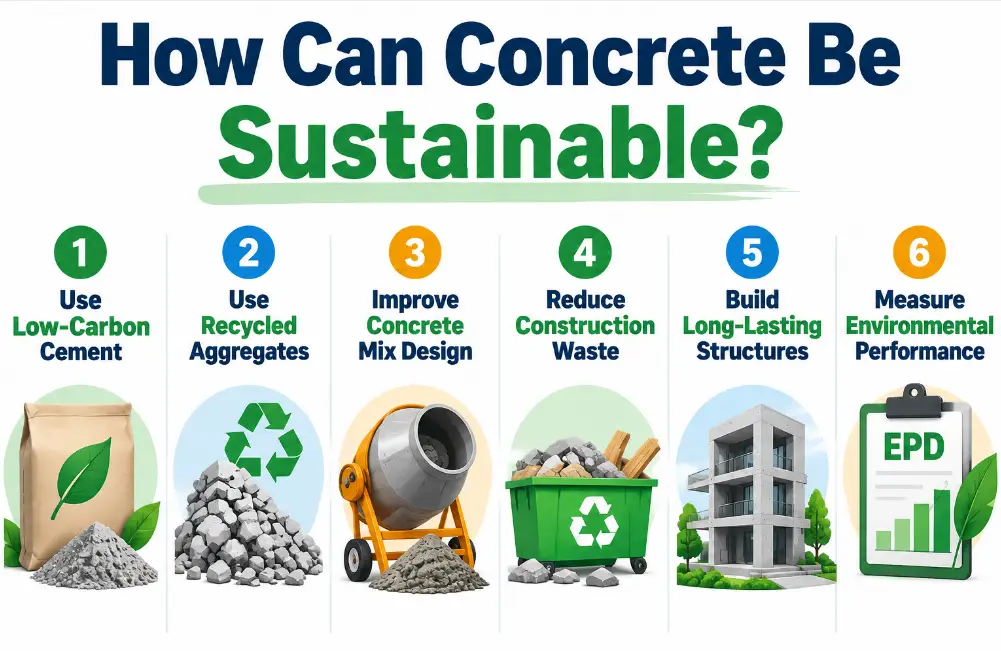
You can use concrete in ways that reduce its environmental impact without sacrificing safety or quality. Here are some ways of how can concrete be sustainable:
- Use low-carbon cement. Using appropriate alternative materials can reduce emissions if you replace part of traditional cement. This depends on materials that can be easily sourced locally and on the strength and durability needed for the project.
- Use recycled aggregates. Crushed concrete can replace some natural aggregates in concrete if it meets certain quality specifications. It is important to test, particularly for structural applications.
- Develop better concrete mix design. A reduced amount of cement can achieve the necessary performance, which can help minimize emissions and material costs.
- Reduce construction waste. Better planning, accurate measurements, and improved placement techniques reduce unnecessary waste. On repeat construction jobs, reusable formwork can help to cut down on the amount of materials used.
- Construct long-lasting buildings. More durable concrete requires less maintenance and replacement over time. Curing, reinforcement protection, drainage, and maintenance all help prolong a structure’s life.
- Measure environmental performance. An Environmental Product Declaration (EPD) provides information about a product’s environmental impact. Project teams can use it to compare suitable concrete options.
Why Concrete in Construction is Sustainable?
Is concrete sustainable in construction? Yes. When used efficiently and with a long service life, concrete can be a sustainable construction material. It is strong, fireproof, and durable, which is why it can be used in various types of infrastructure.
Concrete also has thermal mass properties that can help control indoor temperatures. But real energy savings will vary based on building design, climate, insulation, and heating and cooling systems.
The best choice depends on the structure’s purpose. Engineers need to consider the material’s performance, life expectancy, maintenance requirements, and environmental footprint when making their decision. Where possible, it is often practical to reduce emissions by using less concrete.
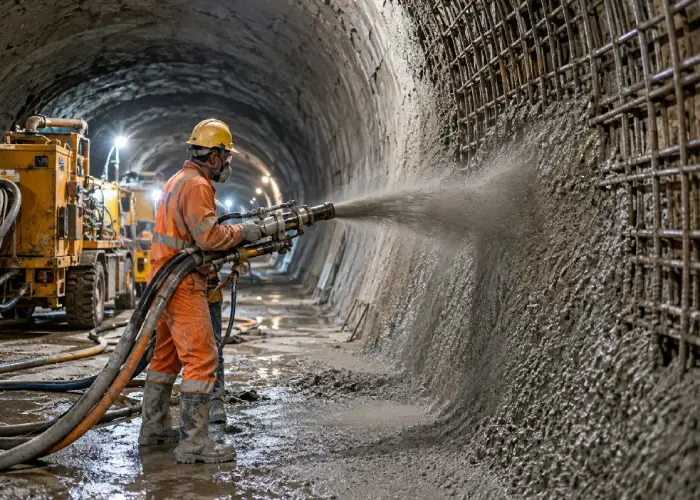
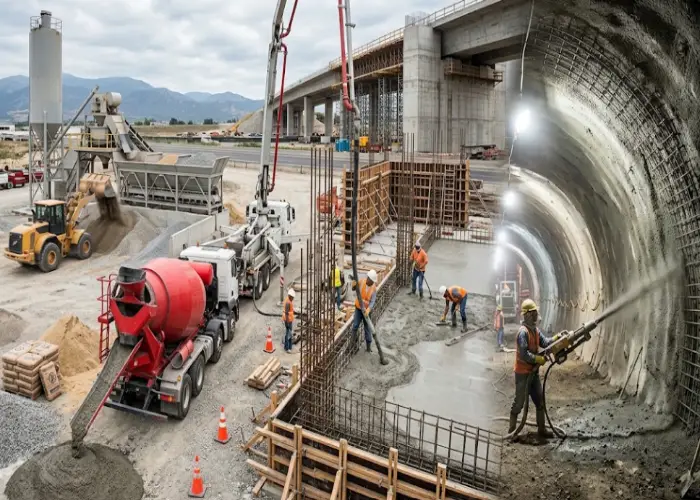
In tunnels and other infrastructure projects, concrete must meet additional demands related to ground conditions, water exposure, loading effects, and long-term durability.
Tiran-Tunnel Bisoton: Equipment for Concrete and Tunnel Construction
Tiran-Tunnel Bisoton provides equipment for concrete spraying, mortar pumping, and material conveying. Our product range includes shotcrete machines, sand transfer machines, mortar pumps, and plaster spraying pumps. This equipment supports concrete application and material handling in construction projects. For more information about available equipment and technical specifications, contact Tiran-Tunnel Bisotun directly or visit our website.
FAQs
- Is concrete sustainable?
Concrete can be more sustainable when low-carbon cement, recycled materials, and efficient construction methods are used.
- Why is concrete not sustainable?
Cement production releases CO₂ and requires energy. Concrete production also consumes water and natural resources.
- Is concrete renewable?
No. Concrete is made from non-renewable mineral resources, but it can be recycled and reused in suitable applications.
- How can concrete be more sustainable?
Using less cement, recycled aggregates, low-carbon materials, and durable concrete mixes can reduce its environmental impact.
- Is recycled concrete good for the environment?
Yes. It can reduce construction waste and the need for natural aggregates, provided it meets the project’s quality and performance requirements.