Introduction to Various Types of Trowels and Their Applications
Trowels are essential tools used in many industries, from construction and masonry to gardening. With so many types available, choosing the right trowel for your project can make a significant difference in your work’s quality and efficiency. In this guide, we will explore the various types of trowels and their applications, helping you find the best tool for your needs.
1. Masonry Trowels: Essential for Bricklaying and Stonework
Masonry trowels are widely used in construction for tasks like spreading mortar and laying bricks or stones. These trowels feature a pointed blade, allowing users to work efficiently and achieve smooth mortar distribution.
Applications: Best for bricklaying, stonework, and blockwork in construction projects.
2. Pointing Trowels: Ideal for Fine Detailing
Pointing trowels are smaller and narrower than masonry trowels, making them perfect for detailed work like pointing joints or filling gaps between bricks and stones.
Applications: Ideal for pointing masonry joints and performing fine detail work.
3. Plastering Trowels: Smooth and Finish Plasterwork
Plastering trowels are designed with a flexible steel blade that helps apply plaster smoothly onto walls and ceilings. These trowels are perfect for achieving a flawless, even surface when plastering or smoothing drywall compounds.
Applications: Best for applying plaster and smoothing drywall surfaces for a clean finish.
4. Garden Trowels: Essential for Digging and Planting
In gardening, a garden trowel is a must-have for digging, planting, and transferring soil. With a rounded blade, it allows for easy digging and planting in tight spots such as flower beds or pots.
Applications: Perfect for digging, planting, and transferring soil in small gardening spaces.
5. Finishing Trowels: For a Polished Concrete Finish
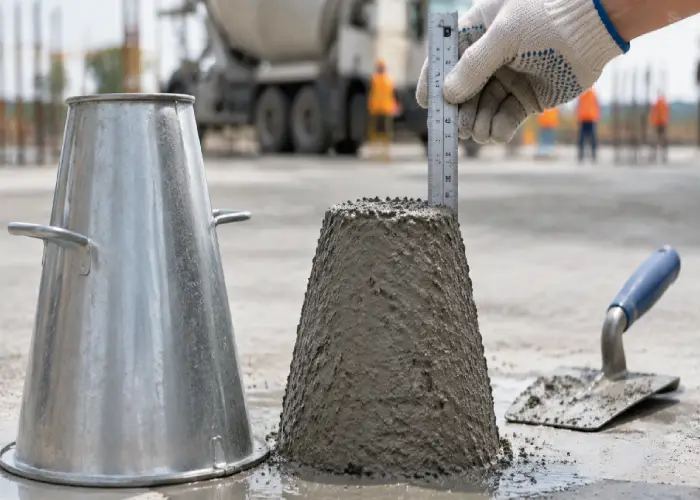
Used in concrete work, finishing trowels help smooth the surface of fresh concrete, creating a flawless finish. Their long, flat blade helps achieve a polished and level surface.
Applications: Ideal for smoothing concrete surfaces on floors, sidewalks, or driveways.
6. Tile Trowels: For Laying Tiles with Precision
Tile trowels have notched blades that allow for even spreading of thin-set mortar before placing tiles. The notches create grooves in the mortar, helping tiles adhere better.
Applications: Perfect for tile installation by spreading adhesive mortar.
7. Brick Trowels: Specialized for Brickwork
Brick trowels are specifically designed for bricklaying. Their flat, wide blade helps spread large amounts of mortar and lift bricks efficiently.
Applications: Best for bricklaying and spreading mortar in masonry projects.
8. Flooring Trowels: For Installing Flooring Materials
Flooring trowels are essential when working with adhesives for vinyl, tile, or carpet installation. They have a broad, flat blade that ensures even adhesive distribution over large surfaces.
Applications: Ideal for spreading adhesive during flooring installation.
9. Margin Trowels: For Precision Work in Tight Spaces
Margin trowels are compact and narrow, perfect for working in tight corners or finishing the edges of surfaces. They provide precision and control when applying materials in small spaces.
Applications: Perfect for working in tight spaces and detail work like finishing corners and edges.
Conclusion: Choosing the Right Trowel for Your Project
Trowels come in a wide variety of shapes and sizes, each designed for a specific task. Whether you’re working on masonry, plastering, gardening, or concrete finishing, understanding the differences between the various types of trowels will help you choose the right one for your job. Equip yourself with the best trowel for your project to ensure professional-level results!