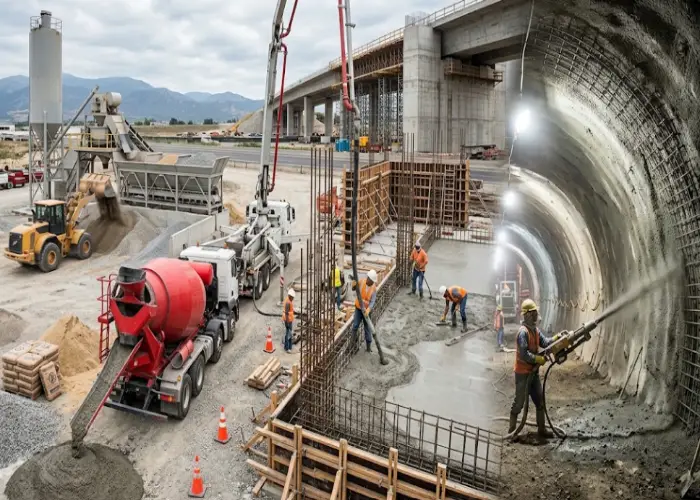
What is Shotcrete? Important Facts About Shotcrete

What impact does shotcrete have on the construction industry?
One of the primary advantages of using shotcrete in building construction is its rapid application. Traditional concreting methods can take days or even weeks, depending on the project’s size. Shotcrete can be quickly applied, significantly reducing construction time. This can be particularly important when constructing a building on a tight schedule, which is often the case in commercial construction projects.
Another advantage of using shotcrete or hand-applied sprayed concrete in building construction is its adaptability to the shape of the structure being built. This makes it an excellent choice for challenging architectural designs or when working in specific spaces. Shotcrete can be applied to curves, angles, and irregular surfaces, allowing architects and builders to create unique and impressive building designs.
The use of shotcrete in construction positively impacts the environment. Sprayed concrete requires less water for mixing and application, reducing water consumption. Additionally, it can be applied precisely, reducing waste and minimizing environmental impact.

Are there different types of shotcrete?
There are two main types of shotcrete: dry-mix shotcrete and wet-mix shotcrete. However, these are just the two main types of shotcrete. To understand these, it’s better to examine each one separately in detail and professionally.
High-Strength Shotcrete:
High-strength shotcrete is designed to meet the requirements of specific construction projects that need exceptional strength and durability. This type of sprayed concrete is typically used in constructing tall buildings, industrial and mining projects, and underground structures. High-strength shotcrete is commonly used in tunnel and mining construction.
Fiber-Reinforced Shotcrete:
Fiber-reinforced shotcrete is a type of sprayed concrete that includes steel or synthetic fibers. This type of sprayed concrete is often used to enhance seismic resistance, water resistance, and fire resistance in various locations. These are the uses of shotcrete.

Low Rebound Shotcrete
Low rebound shotcrete is designed to minimize the amount of material lost during spraying. This type of sprayed concrete is formulated with special mixtures that reduce overspray or rebound of the material. It is commonly used in the construction of pools, tanks, and water-retaining structures.
What is Wet-Mix Shotcrete?
Wet-mix shotcrete, or wet-sprayed concrete, is a form of sprayed concrete widely used in various construction applications, particularly where large amounts of concrete need to be applied. Wet-mix shotcrete involves pre-mixed concrete loaded into a delivery system through a hopper.
It is then conveyed to a nozzle with the help of compressed air and sprayed onto the target surface using a high-pressure nozzle. Wet-mix shotcrete is designed to be highly dense, which means it can be used in several structural applications that require high-strength concrete.
One of the advantages of wet-mix shotcrete is its application flexibility. It can be applied to irregular surfaces as well. This is because the pre-mixed concrete remains in a wet and “plastic” state until it is sprayed. This flexibility makes it an ideal solution for places like tunnels and mines, where surfaces are unpredictable, and manual concrete application can be challenging.
Another advantage of wet-mix shotcrete is its rapid application time. This method of concrete application is ideal for time-sensitive projects, as it can be applied much faster than conventional methods. This increases the overall speed of the construction process and reduces associated project costs.

What is Dry-Mix Shotcrete?
Dry-mix shotcrete or dry shotcrete is a type of construction material that uses a dry mix of cement, aggregates, water, and additives as its main components. This mix is conveyed through a pneumatic hose to a nozzle where compressed air is added to propel the mix onto a surface.
This results in a concrete structure that is strong, durable, and resistant to water, fire, and other environmental factors. One of the key advantages of using dry-mix shotcrete is its versatility. This type of material can be used for various applications, including constructing new structures, repairing existing structures, and reinforcing walls and foundations.
Key Feature of Dry-Mix Shotcrete
Another advantage of dry-mix shotcrete is its relatively fast application process. Compressed air helps to rapidly and uniformly press the mix onto the surface, enabling a quick setting process. This can be useful in cases where there are specific time constraints. Additionally, dry-mix shotcrete is known for its high strength and durability. It forms a dense and stable structure that can withstand heavy loads and severe weather conditions. It is water-resistant, making it a popular choice for constructing pools, jacuzzis, and more.

5 Incredible Advantages of Shotcrete
Shotcrete is a versatile construction tool that has transformed the approach of engineers and contractors to construction projects. Although the advantages of using shotcrete may seem numerous, here are the five main benefits of this product:
Speed and Efficiency
Shotcrete is fast and efficient. This process eliminates the need for formwork, which is a time-consuming and costly activity. The specific structure of shotcrete allows it to be sprayed onto various surfaces of any shape or size. This also helps in accelerating the project’s construction process.
Cost-Effective
Compared to traditional methods, shotcrete is more cost-effective. For example, since formwork is not necessary, there is no need for wood, nails, or special rebar. This alone reduces the cost of purchasing the materials needed for the project.

Durability
Shotcrete offers excellent durability, which is one of its main advantages. It has higher compressive strength and can withstand adverse conditions. Additionally, the density and impermeability of sprayed concrete help resist weather and erosion, ensuring structural integrity for a long time.
Adaptability
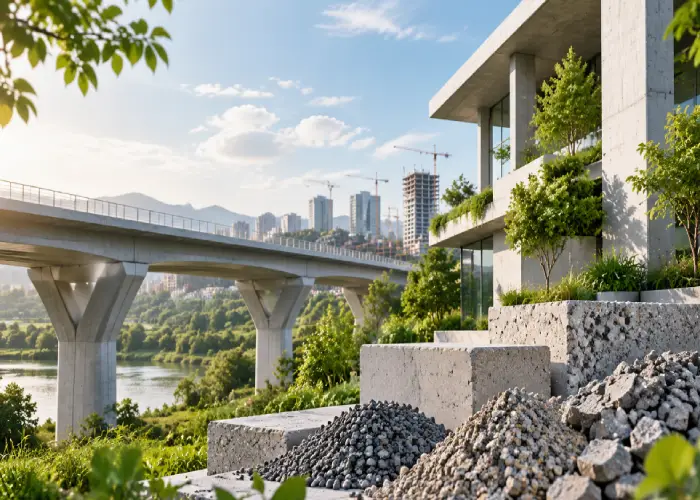
Shotcrete is adaptable and can be used in many applications, such as retaining walls, swimming pools, tunnels, bridges, dams, etc. Various additives, like fibers, can also be used with this concrete to improve performance and increase efficiency.
Aesthetics
Shotcrete is not only functional but also aesthetically pleasing. It can be easily colored to create beautiful finishes. Sprayed concrete can be combined with other materials like stone, tile, mosaic, etc. This makes it suitable for decorative finishes in landscaping, facades, interior and exterior decorations, and other similar projects.

5 Unique Applications of Shotcrete
Shotcrete is an excellent construction material with a wide range of applications in the building industry. Its unique properties, such as compressive strength, flexibility, and quick setting, make it ideal for various uses. Here are five unique applications of shotcrete in the construction industry:
Swimming Pools
Shotcrete is an ideal material for constructing pools because it can easily be shaped and sized. Its ability to resist water and impermeability makes it an excellent material for pool construction. Shotcrete can be used to create complex designs and finishes, including custom shapes and textures.
Sculptures and Art Installations
Shotcrete performs well in constructing sculptures and art installations (three-dimensional structures). Its ability to take on any shape and form makes it an excellent choice for creating unique and exceptional pieces. Shotcrete sculptures can be seen in various parks.
Ground Stabilization
Shotcrete can be used for ground stabilization and slope reinforcement in landslide-prone areas. Its flexible and durable nature makes it an excellent choice for creating a support system that prevents soil erosion and landslides. This material can be used on highways, railways, and other areas with steep slopes.
Tunnels
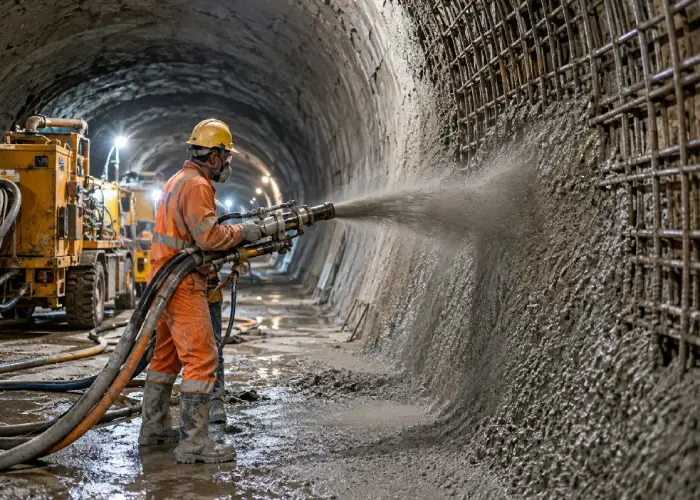
Tunnel construction involves creating a strong, stable, and durable lining to ensure safety and longevity. Shotcrete is the preferred material for tunnel lining because it provides a high level of compressive strength to withstand the intense pressure within tunnels. Its ability to adhere to irregular surfaces and set quickly makes it ideal for tunnel construction.

5. Aquariums
Shotcrete can be used to create impressive structures, including aquariums and artificial waterfalls. Its durability and impermeability make it an excellent choice for building waterproof structures that can withstand water pressure. This material can also accommodate various additives, such as colorants and aggregates, to create beautiful and unique finishes.
How Does a Shotcrete Machine Work?
A shotcrete machine is a type of concrete spraying device designed to mix and spray concrete or mortar onto surfaces using compressed air. This process involves three main components: the concrete spraying gun, the concrete pump, and the control system. The shotcrete machine begins by loading the mixed cement, water, and any necessary additives. The dry mix is then conveyed to the mixing area using a spiral conveyor. In the mixing area, the dry mix and water are combined at high pressure and speed to create a wet concrete or mortar mix.
Once the wet mix is ready, it is pumped through a delivery hose to the spraying gun. The operator controls the nozzle angle and the amount of wet mix to ensure the desired coverage and thickness. Compressed air enters the spray gun through an air inlet, propelling the wet shotcrete mix from the nozzle onto the target surface at high speeds. As the concrete or mortar hits the surface, it adheres to it, forming a durable, integrated layer of concrete.
The machine continues to operate, spraying the shotcrete mix layer by layer onto the surface until the desired thickness is achieved. The shotcrete machine can spray concrete or mortar onto various surfaces, such as walls, ceilings, tunnels, and slopes, providing a faster, more cost-effective, and less labor-intensive method for applying cementitious materials compared to traditional methods. This process involves several stages, which are detailed below.

Part 1: Site Preparation and Assessment
The first step in understanding how a shotcrete machine works involves conducting a site assessment to determine the feasibility of applying shotcrete. This includes evaluating the type of materials, available space, and potential hazards in the surrounding environment. Once the site is deemed suitable for shotcrete application, the next step is to prepare the work area. This involves cleaning the site and ensuring that all necessary equipment is available. Even for wall shotcrete application, attention to materials is essential.
Part 2: Mixing and Preparing Shotcrete
The second step in shotcrete application involves mixing and preparing the desired mix. Shotcrete mix is a specialized material formulated to be sprayed onto surfaces, providing durability and longevity. This mix typically consists of a combination of cement, sand, water, and additives that provide the necessary strength and durability. The mix is usually stored in a hopper or silo and then transferred to the shotcrete spraying equipment. Once the shotcrete mix is loaded into the system, it is ready for use.
Part 3: Applying Shotcrete
The third step in shotcrete application involves applying the concrete to the surface. Shotcrete spraying equipment is used to apply the mix onto the surface. This equipment typically includes a spraying nozzle, a compressed air source, and a feeding system that allows precise control of the shotcrete application. Shotcrete is usually completed in multiple layers, with each layer needing to dry before the next layer is applied.
Part 4: Finishing and Quality Control
The fourth and final step in shotcrete application involves finishing and quality control. Once the shotcrete is applied, finishing techniques are used to shape and smooth the surface. These techniques include troweling, smoothing, and shaping.
After finishing, quality control inspections are conducted to ensure the shotcrete has been applied correctly and meets the required standards. Any necessary repairs or adjustments are made to ensure the shotcrete is of the highest possible quality. With these steps completed, the project is ready for use.

What Should We Consider Before Buying Shotcrete?
Before purchasing shotcrete, ensure that the shotcrete formula is suitable for the specific application and environmental conditions it will be used in. Besides this, there are other considerations to keep in mind:
Quality Control: Choose a supplier with a comprehensive quality control process to ensure that the shotcrete meets the required standards.
Supplier Experience: Consider the supplier’s experience and the cost of shotcrete before making a purchase.
Shotcrete Application: Determine whether your work site requires dry-mix or wet-mix shotcrete and consider the necessary equipment and techniques for applying shotcrete.
Material Selection: Choose an appropriate aggregate grading that matches the project’s specifications and requirements.
Strength and Durability: Identify the required strength and durability for your project and ensure that the shotcrete supplier can provide these qualities through their products. Understanding the technical specifications of shotcrete is important in this regard.
Additives: If specific additives are needed to improve shotcrete properties such as workability, strength, durability, or resistance to freezing or water, communicate with the supplier to ensure these additives are applied according to your specifications.
What Causes the Deterioration and Reduced Lifespan of Shotcrete?
There are specific reasons for the deterioration and reduced lifespan of shotcrete, each affecting the final product. Understanding these factors is crucial for purchasing the best shotcrete samples. Some of these factors include:
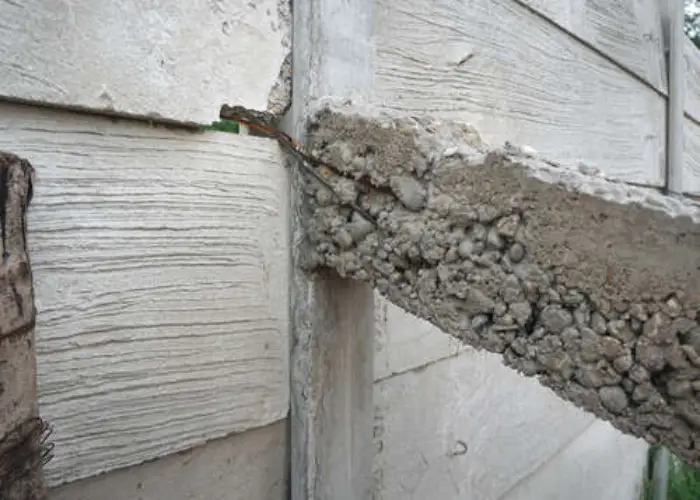
Poor Mix Design: An excellent shotcrete mix design is vital to ensure high product quality, including the appropriate ratio of cement, sand, water, and other additives. A poor mix design may result in voids, cracks, and weak points in the shotcrete, leading to premature degradation.
Improper Application: Incorrect application of shotcrete can lead to issues like insufficient strength, improper thickness, etc. This may be due to faulty equipment, inadequate training of the applicator, or lack of quality control at the work site.
Excessive Rebound: Rebound occurs when sprayed shotcrete bounces off the surface, leading to material wastage, increased project time, and weakened shotcrete. Improper equipment, nozzle distance, and high air pressure are common causes of excessive rebound.
Low-Quality Materials: High-quality shotcrete materials such as cement, sand, and additives are essential to ensure the shotcrete’s longevity. Using low-quality or non-standard materials may result in shotcrete degradation.

Other Considerations
Shotcrete is often used as a primary protective layer. Rebar corrosion can also lead to rusting, scaling, or peeling of the shotcrete surface and even structural failure. Environmental factors such as water, wind, moisture infiltration, or aggressive weather conditions can accelerate the deterioration of shotcrete. Erosion and weathering can also increase the vulnerability of shotcrete structures, accelerating their failure rate.
Shotcrete structures often require regular maintenance, such as surface repairs, improved drainage, and so on. Shotcrete needs a curing period for proper hydration and to strengthen its bond with the target surface. Incomplete curing may result in insufficient strength and reduced shotcrete lifespan.
What Factors Influence the Quality and Durability of Shotcrete?
The quality and durability of these machines not only determine the overall cost but also the speed and efficiency of construction projects. When it comes to the lifespan and accuracy of these machines, multiple factors play a role. Below, we have listed some of the most important factors to consider:
Type and Quality of Materials Used: The quality and durability of shotcrete machines largely depend on the type and quality of materials used in their construction. Durable shotcrete machines are typically made from high-quality materials such as stainless steel and aluminum.
Proper Mix Design for Concrete: The shotcrete mix formula is another important factor determining the quality of shotcrete machines. If the shotcrete mix is too dry, the internal mechanisms of the machine may deteriorate quickly. On the other hand, when the mix is too wet, it may clog the machine’s pipes.
Proper Maintenance Routine: Regular and appropriate maintenance is essential for the long-term functioning of the shotcrete machine. Without proper maintenance routines, the likelihood of machine failure, freezing, and premature wear and tear increases.
Correct Installation Procedures: Proper installation is key to ensuring the longevity of the shotcrete machine. Machines that are not installed correctly may fail quickly.

Other Considerations
Proper training for operators and other workers handling the shotcrete machine is crucial. Adequate training ensures that the machine is used correctly by these individuals. The frequency of use is another critical factor affecting the longevity of these machines. When machines are used daily or excessively, they are more likely to wear out or break down. Other important factors for maintaining and extending the lifespan of these products include:
Age and Usage of the Machine: Like many other types of equipment, shotcrete machines have a specific lifespan. After years of continuous use, these machines are likely to develop a series of special problems.
Weather and Environmental Factors: Weather and environmental factors can significantly affect the quality and durability of shotcrete machines. For example, exposure to harsh outdoor conditions such as sunlight, rain, and dust can cause wear and rusting of the machine.

Shotcrete Execution Tips That Must Be Followed
To achieve the best results from shotcrete, attention must be paid to a series of specific tips. In fact, paying attention to these tips is the most important distinction between proper and improper concreting. Here are a few essential tips to follow when working with shotcrete:
Surface Preparation
Proper surface preparation is crucial for the effective application of shotcrete. The surface must be free of debris, dirt, and any loose or weak concrete. The target surface should also be slightly moistened to help the shotcrete adhere properly and effectively. The specific weight of shotcrete concrete should also be checked at this stage. Of course, if you go to the best shotcrete manufacturer, all these points will be well observed.
Appropriate Equipment
Proper utilization of shotcrete requires specialized equipment, including a shotcrete pump, nozzle, and a high-quality air compressor. Ensure that the appropriate equipment is well-maintained and used by skilled personnel to prevent any potential delays and equipment failures during use. Fortunately, the price of small shotcrete machines is very reasonable, and many users can choose a good option in this regard.

Proper Mix Design
The shotcrete mix formulation should be tailored to the specific needs of the project. This formulation should include the appropriate ratios of cement, sand, aggregates, and other necessary additives for the project. The design of this formulation should ensure that we achieve shotcrete with the desired strength and durability.
Adequate Curing Time
Proper curing of shotcrete is essential to ensure the material reaches the desired strength and durability. This process should be carried out using an appropriate technique, such as wet curing. Adhering to the recommended curing time is crucial to prevent any defects or weaknesses in the structure.
Experienced Personnel
Working with shotcrete requires high skill and expertise. Therefore, having skilled and experienced personnel for every stage of the project—from mix design to application and finishing—is essential. These individuals should have the training and knowledge necessary to achieve optimal results.

Proper Safety Measures
Safety when working with shotcrete is very important, and appropriate safety measures should be implemented to protect workers and the surrounding environment. This includes the use of protective equipment such as helmets, gloves, and goggles. Additionally, to prevent accidents, a specially planned and designated area around the project site should be created for workers to rest.
Sufficient Quality Control Measures
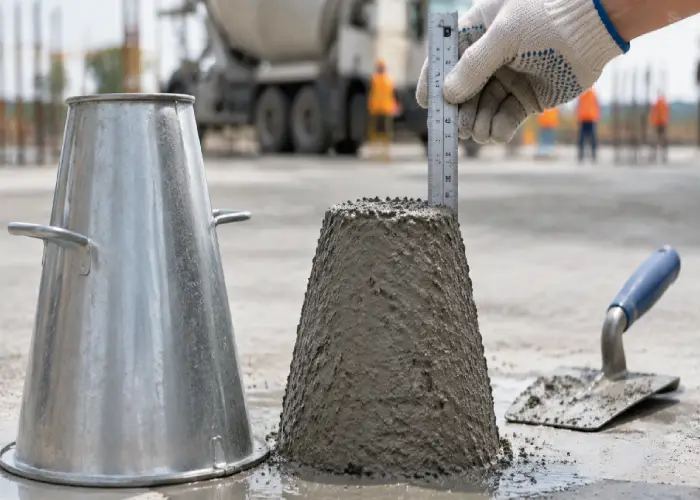
Quality control measures should be implemented throughout the shotcrete application process. This includes regular testing of the mix, checking consistency, and analyzing the required curing time to ensure high strength and durability. These factors determine the final quality of the process.

Final Words
Shotcrete is an essential construction material with many benefits, including strength, cost-effectiveness, and adaptability. It is widely used in many infrastructure projects such as tunnels, retaining walls, and swimming pools. However, working with shotcrete requires proper preparation, execution, and monitoring to achieve the desired results. By following the essential tips mentioned in this text, including proper surface preparation, using appropriate equipment, ensuring sufficient curing time, hiring skilled personnel, implementing safety measures, and quality control, shotcrete-related projects will be successful, safe, and of high quality.