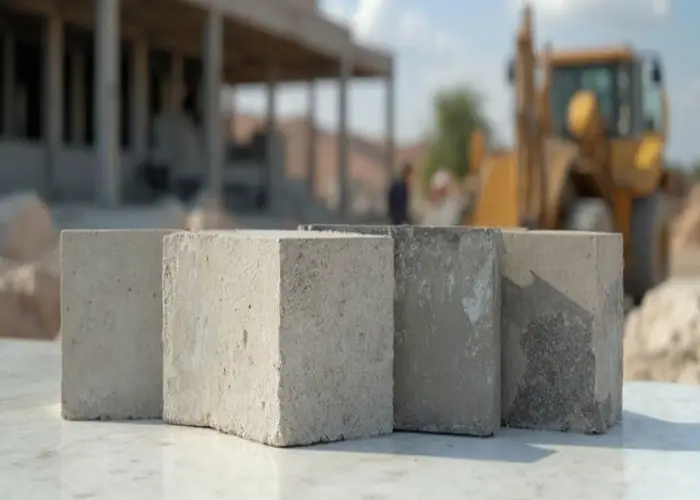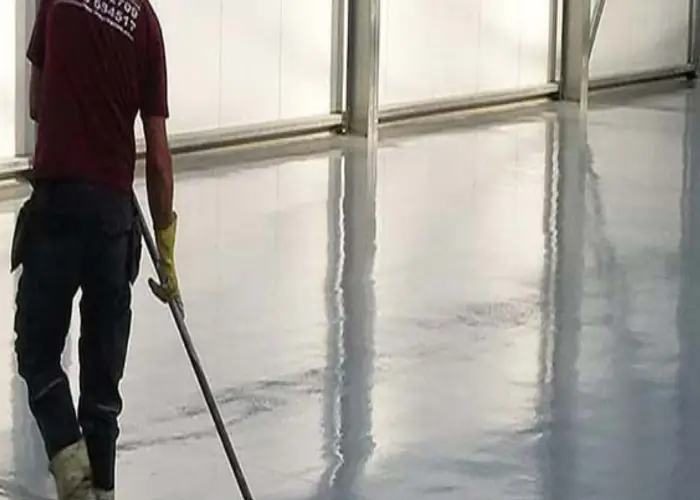
On any concrete job, people usually focus on the visible finish, such as tiles, epoxy, vinyl, or polished concrete. But every experienced contractor knows that the real story starts one layer below, with the floor screed and the machines that install it. The right types of floor screed, according to their material, installation method, and performance, combined with the right screed machine, can turn a slow process into a fast and profitable operation. In this article, we will focus on types of screed. Stay with us.
What Is Floor Screed?
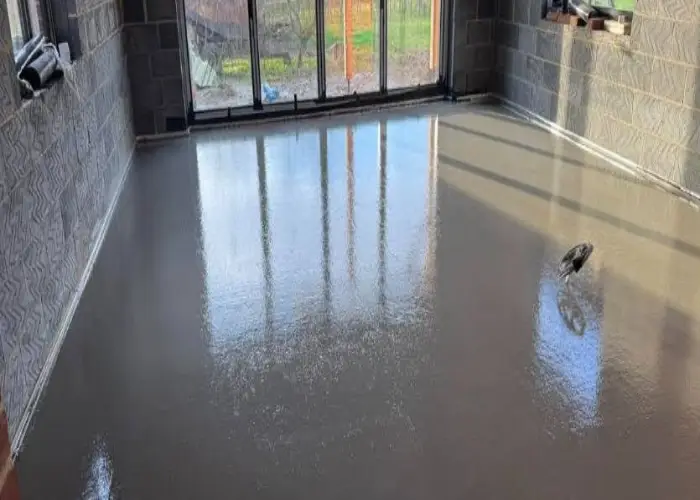
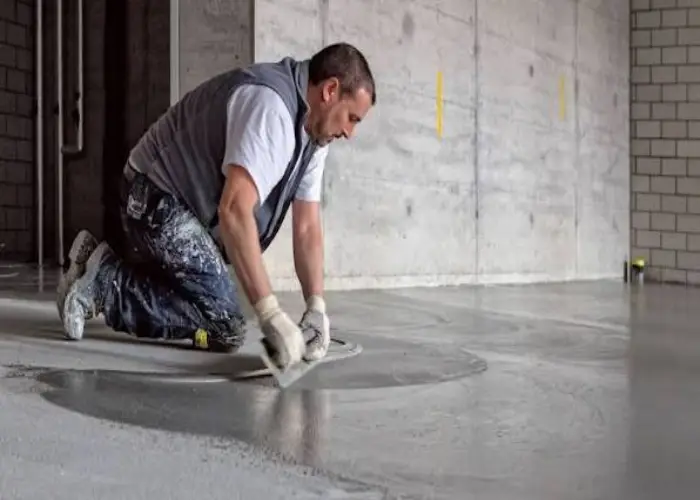
Before going through different types of floor screed, remember that floor screed is a carefully prepared mixture that is applied over a structural concrete slab to create a flat and stable surface before the final floor finish is installed. Unlike structural concrete, screed is not designed to carry the building’s load. Instead, its main purpose is to provide an even surface that supports materials such as ceramic tiles, natural stone, laminate, vinyl, epoxy coatings, and carpet.
Modern construction uses pumping and mixing machines instead of manual methods. Mechanised screeding produces a more consistent mix, reduces labour requirements, and allows contractors to complete large areas much faster while maintaining a high-quality finish.
Different Types of Floor Screed According to Material
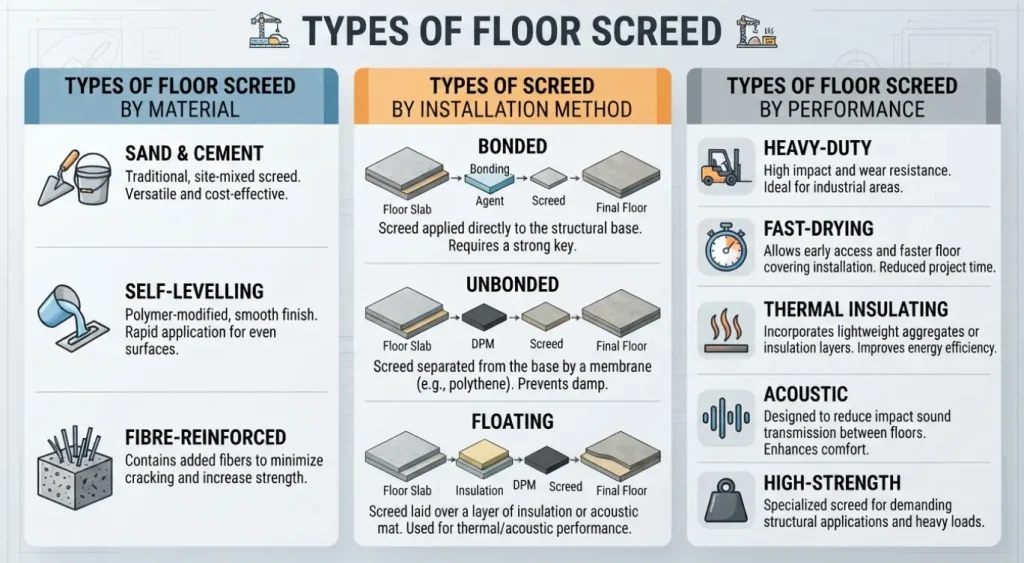
It is important to get the right screed as each project will have different structural and performance needs. There are several ways of defining a screed used on a floor, such as by material type, method of installation, and performance. The following are the most popular types of screeding:
1. Sand and cement screed
Traditional sand and cement screed is still an extremely popular screed flooring choice all over the world. It is a mixture of controlled proportions of cement, sharp sand and water. It is popular because of its versatility, affordability and reliable performance. Used in residential buildings, offices, retail, schools and renovation.
Advantages
- Cost-effective
- Strong and durable
- Ideal for most finishes on floors.
- Helps in the repair when it is needed.
Its main drawbacks are the relatively long drying time, which should be taken into account when the project is on a tight schedule.
2. Self-Levelling Screed
Self-leveling screed (sometimes called liquid screed or flowing screed) is growing in popularity in commercial and larger-scale developments. Due to its thinness, it will flow easily over the floor and leave a very smooth finish, with little need for additional work. It also has great flow qualities and is very usable for machine pumping for long distances.
Read for more information: most popular types of flooring
3. Fibre-Reinforced Screed
Fibre-reinforced screed is among another types of screed flooring and is made from polypropylene fibres or other fibres which are used as reinforcement to increase the strength of the screed and diminish shrinkage cracking.
This is more resistant to cracking than traditional mixes in areas of thermal movement or heavy use. This is why it is popular in facilities like warehouses, industrial buildings, workshops, and underfloor heating.
Types of Screed According to Installation
Besides material composition, floor screeds are also classified by the way they are installed such as Bonded, Unbonded, and Floating Screed. Here are more details about these types of screeding in construction:
Bonded Screed
The application of a bonded screed is directly laid over a ready-made concrete subfloor with a bonding compound. It is strong and can be used infairly thin layers without compromising strength.
A bonded screed is generally used in industrial buildings, warehouses, and factories or in commercial premises with heavy loads or where there is a high level of traffic.
Unbonded Screed
An unbonded screed is placed over a damp-proof membrane (DPM) to separate the concrete base from the screed. This membrane helps to isolate the movement of moisture into the screed and enables the screed to act separately from the structural slab.
This system is used for ground-floor buildings and projects where moisture protection means are important.
Floating Screed
Floating screed is applied on top of the thermal or acoustic insulation rather than the concrete slab. It is one of the best solutions for underfloor heating installations as it allows a heat-efficient installation of a building while also protecting the underfloor heating pipes and ensuring even heat distribution.
Types of Screed for Floor Based on Performance
Some projects can’t wait a couple of weeks before installing the final floor finish. In such cases, other types of screed, including fast drying screed, are a practical solution as it cuts the curing time considerably.
Special additives are added to the polymer-modified screeds to enhance the flexibility, bond, and crack resistance. They are commonly found in refurbishments, commercial structures, and spaces that undergo a lot of foot traffic.
How to Choose the Best Types of Screed
Selecting the best types of screed depends on several factors rather than choosing the strongest material available:
- The expected load on the floor
- Drying time requirements
- Floor finish to be installed
- Moisture conditions
- Floor thickness limitations
- Whether underfloor heating will be installed
- Project budget and construction schedule
Large industrial projects often require high-strength or fibre-reinforced screeds, while commercial buildings may benefit from self-levelling systems that deliver exceptional surface quality over large areas.
Why Choose Tiran Tunnel Bistoon?
Choosing the right types of floor screed is only part of a successful flooring project. The quality of the equipment used during installation also has a major impact on productivity and final results.
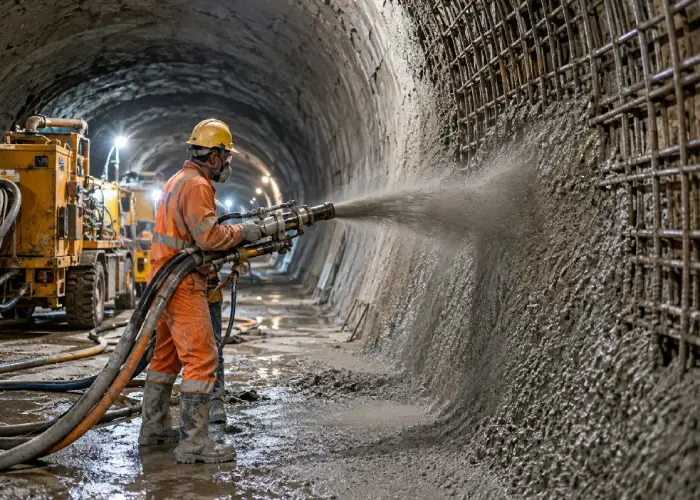
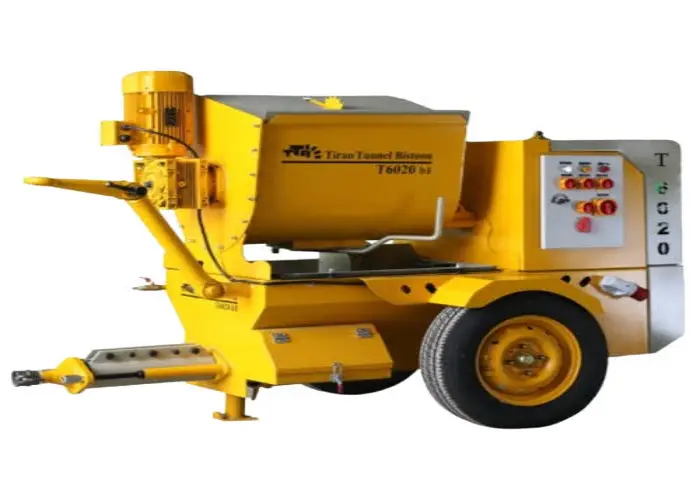
Tiran Tunnel Bistoon designs and manufactures reliable construction machinery for concrete, mortar, dry mix shotcrete machine, and screeding applications. Its mechanised screeding solutions help contractors produce consistent mixes, transport materials efficiently, and complete projects faster with reduced labour requirements. Visit our website and contact us to help you choose the best machines.
FAQs
- What are the most common types of floor screed?
Types of screed are classified by Material (sand & cement, self-levelling, fibre-reinforced), Installation (bonded, unbonded, floating), and Performance (fast-drying, polymer-modified).
- What is the difference between bonded and floating screed?
Bonded screed is attached directly to the concrete substrate, while floating screed is installed over an insulation layer and is commonly used with underfloor heating systems.
- Can floor screed be applied by using machines?
Yes. Modern screed pumps and mixing machines improve consistency, reduce labour, and increase installation speed, making them ideal for medium and large construction projects. Visit our website to choose the best products.