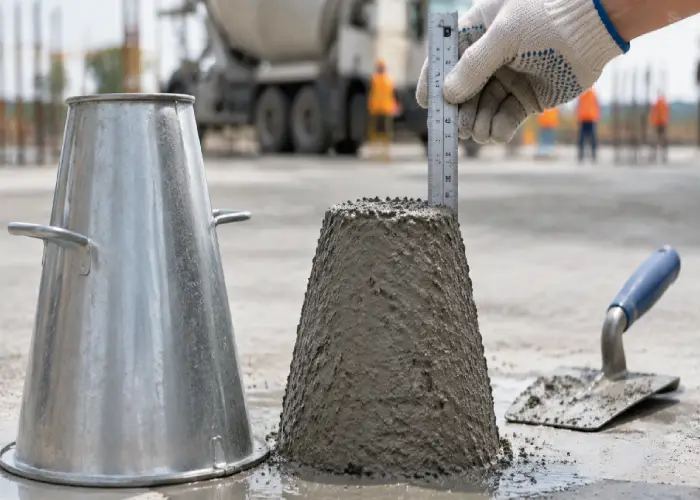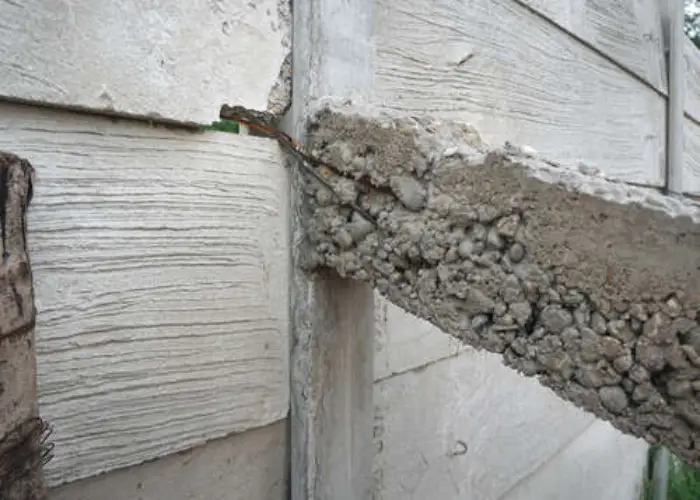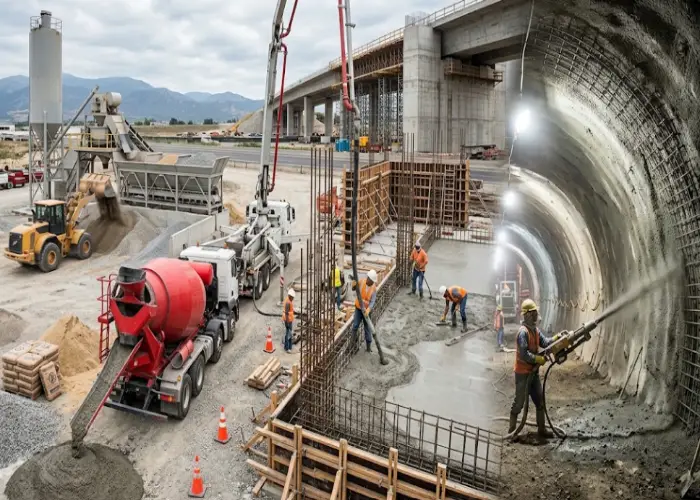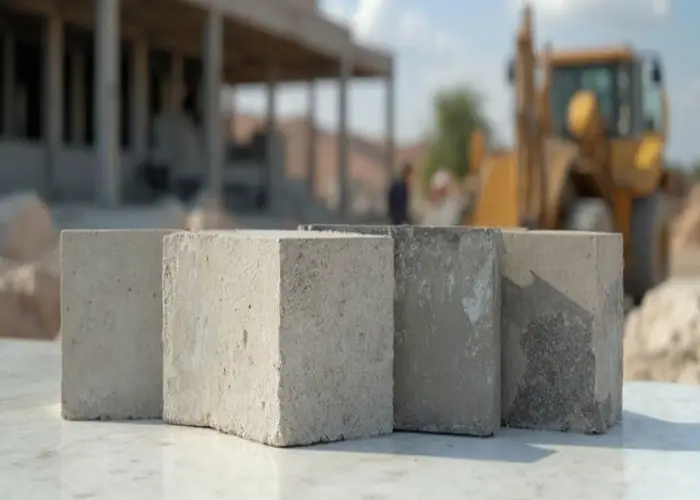
If you’ve thought that what is screed flooring, here’s the simple answer: it’s a thin layer of material, usually 5 to 10 centimeters thick, that goes on top of a concrete floor to make it perfectly flat and smooth. Think of it as the final touch that prepares your floor for whatever covering you want to put on it, whether that’s tiles, hardwood, laminate, or carpet.
What is a screed in construction exactly? It’s not the same as structural concrete. While concrete holds up the building, screed is all about surface preparation. It fixes small bumps and dips in the subfloor, gives you a nice smooth base for your floor coverings, and works great with underfloor heating systems. You can think of it like a protective shield for your floor. In this article, we will find out more details.
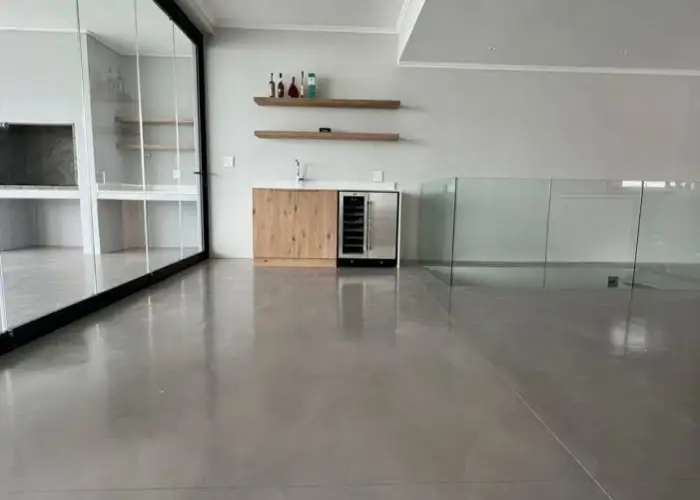
What is a Screed Used For and What Are Its Advantages?
What is a screed used for in real projects? Here are the main jobs it does and its advantages:
- Flawless Leveling: It provides a perfectly flat, uniform surface, which is crucial for installing tiles, wood, or carpets.
- Compatibility with Underfloor Heating: Screed has excellent thermal conductivity, making it perfect for distributing heat evenly from underfloor heating systems.
- Enhanced Surface Strength: It acts as a protective layer, increasing the floor’s resistance to structural pressure and temperature fluctuations (ideal for warehouses or parking lots).
- Floor Insulation: When mixed with thermal or acoustic insulating agents, it helps lower energy consumption and improve indoor comfort.
- High Execution Speed: Some types, like self-leveling screed, can be applied very quickly, saving valuable time during construction.
Types of Screed in Construction
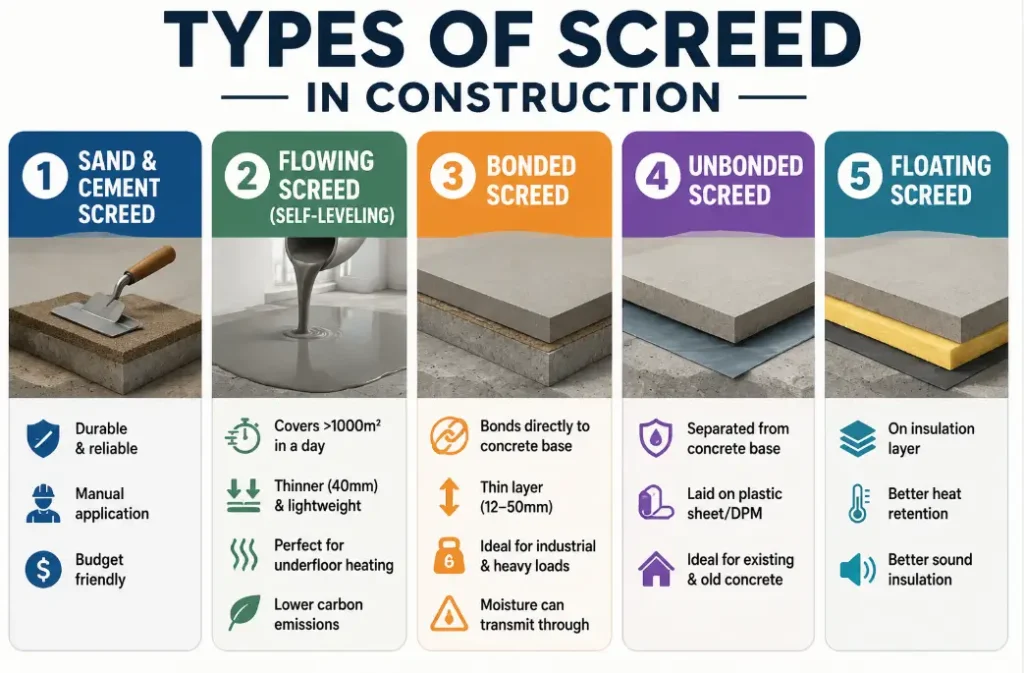
What is screed flooring types? There are several types of screed used in building projects, each with its own strengths:
1. Sand and Cement Screed
Sand and cement screed is a simple mix of sand, cement, and water. People usually go for this type when they need a floor that’s both strong and perfectly level. It’s been the go-to choice for years because it gets the job done without breaking the bank.
2. Self-Leveling Screed
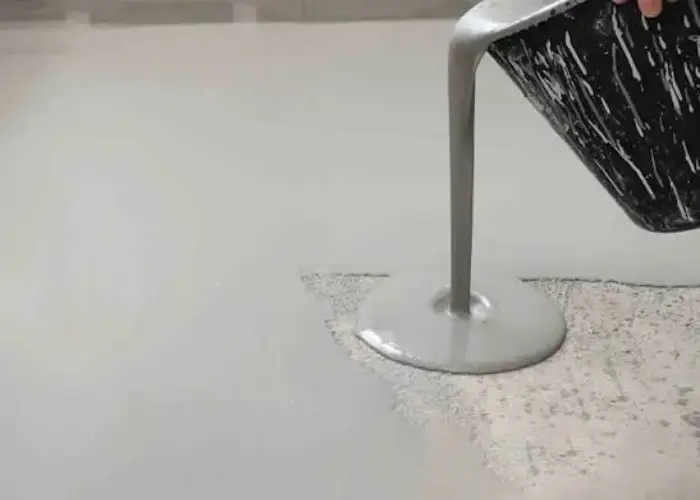
What is screed floor second type? The second type is self-leveling screed. As the name suggests, this one spreads out automatically across the floor; you don’t have to spend hours manually leveling it. Just pour it and let gravity do the work. It’s a fantastic option when you need pinpoint accuracy and a glass-smooth surface. You’ll often see this used in commercial spaces or industrial settings where the floor has to be absolutely perfect.
To get the job done faster and more precisely, using specialized equipment is a must. A good screed machine helps you achieve a flawlessly flat surface and speeds up the whole project several times.
3. Dry Screed
Dry screed is a bit different. Because of its unique properties, it’s mostly used indoors. What are its main advantages? You don’t need to add any water to the mix. That means faster installation and less waiting around for things to dry; it is perfect when you’re on a tight schedule.
4. Reinforced Screed
For reinforced screed fibers or metal mesh are added to the mix to give it extra strength. The result? A screed that stands up brilliantly to heavy pressure and resists cracking far better than standard options. It’s the smart choice for areas that need to handle serious wear and tear.
What Is a Screed Floor Used For in Practice?
What is a screed floor good for beyond just leveling? It provides you with a solid, secure and even surface on which you can use various floor coverings. It can be located unclad as well, if it is treated with special sealants that make it waterproof. In industrial environments, resin screeds (epoxy or polyurethane) are widely used for excellent chemical and thermal resistance.
Click for more information about: most popular types of flooring
What Is a Screed in Paving?
For anyone asking what is a screed in paving, it works the same way. It’s the leveling layer that goes under paving stones or asphalt to make sure everything sits flat and drains properly.
Screed vs. Foam Concrete: What’s the Difference?
Both are used in floors, but they do different jobs:
- Screed is a dense mix of sand, cement, and water. Its job is to level and smooth the surface, giving you a solid, stable base.
- Foam Concrete is much lighter because it’s full of tiny air bubbles. It’s used when you want to reduce weight or add insulation, like filling voids or insulating roofs.
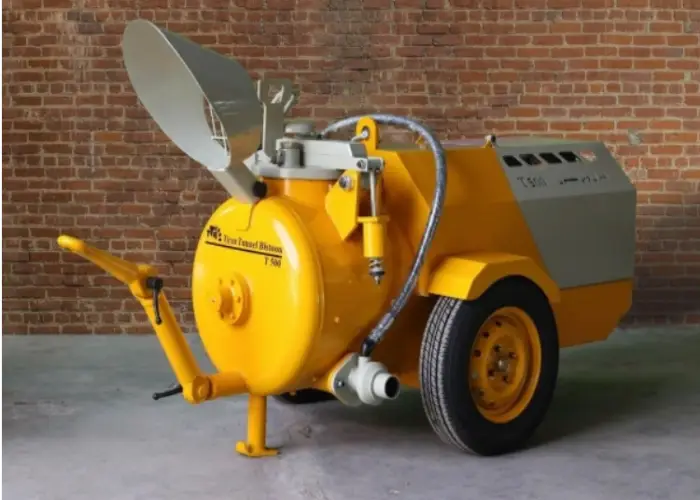
Modern Equipment for Screed Installation with Tiran Tunnel Bistoon
Having high-quality screed flooring needs precision, expertise, and the right machinery. Tiran Tunnel Bistoon, with over a decade of experience in designing and manufacturing civil construction machinery, offers top-tier screed flooring machines capable of covering up to 500 square meters per day. These machines maximize the strength of the mortar while reducing cement consumption.
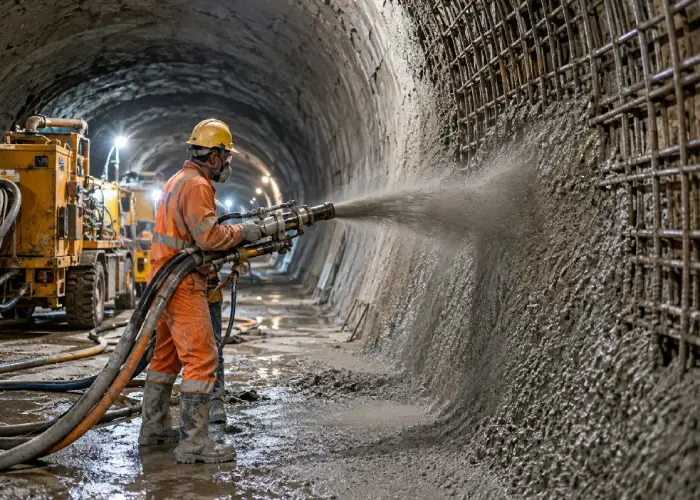
Additionally, for larger projects, using equipment like mortar sprayers (mortar pumps) and shotcrete machines can significantly enhance the speed and quality of your floor preparation. For more information, pricing details, or spare parts, visit the Tiran Tunnel Bistoon website or contact our technical support team.
FAQs
- What is the difference between screed and structural concrete?
Structural concrete forms the building’s weight-bearing foundation, whereas screed is a thin (5–10 cm) finishing layer applied specifically to level and smooth the surface for final flooring.
- What is screed used for?
Screed is used to create a perfectly flat and durable base for floor coverings, improve the efficiency of underfloor heating systems, and add thermal or acoustic insulation.
- What are the main types of screed flooring?
The most common types are sand and cement (strong and affordable), self-leveling (for ultra-smooth surfaces), dry screed (fast, water-free indoor use), and reinforced screed (for heavy-duty strength).