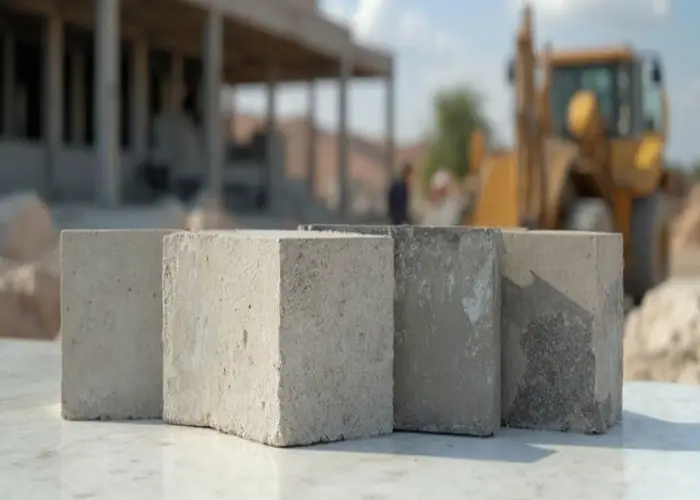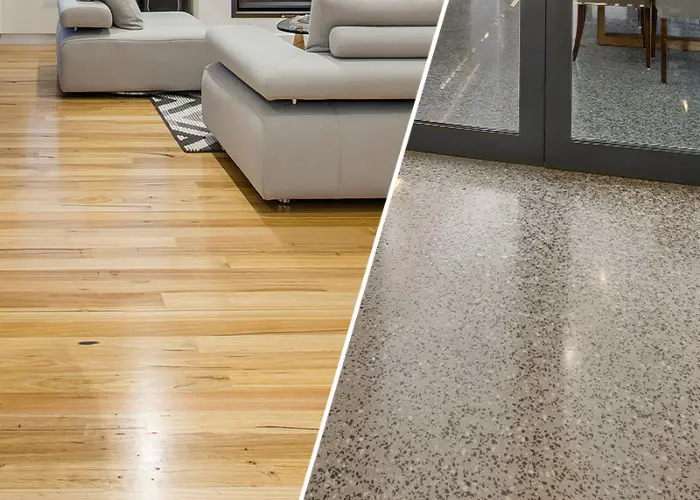
Flooring is about more than the look. It affects the life span, maintenance, durability, and safety of a building. Choosing the most popular types of flooring is a process that begins before the final floor surface is installed, whether for a residential home, commercial facility, warehouse, or industrial project. Every flooring system is built on a strong level concrete base. Even the most expensive flooring material can present problems such as cracks, uneven finished surfaces, and expensive repairs if the concrete slab is not levelled. Professional screeding provides a level, stable floor surface for better long-term performance of floors. Continue reading to find out more details.
Most Popular Types of Flooring for Modern Buildings
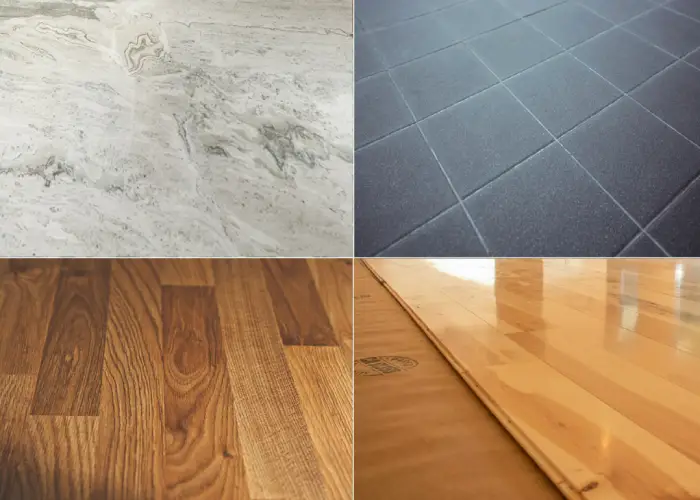
Today’s construction industry offers flooring solutions for every environment. The most common types of flooring depend on traffic, moisture exposure, maintenance requirements, and project budget. Here are some types:
| Flooring Type | Best Application | Key Benefits |
| Hardwood | Residential interiors | Timeless appearance and long service life |
| Engineered Wood | Homes and offices | Better dimensional stability |
| Luxury Vinyl | Kitchens and commercial spaces | Water resistance and easy maintenance |
| Ceramic Tile | Bathrooms and wet areas | Excellent moisture resistance |
| Polished Concrete | Warehouses and retail buildings | High durability and low maintenance |
| Epoxy Flooring | Factories and industrial facilities | Chemical and abrasion resistance |
What Is the Most Common Hardwood Floor?
As for the most common hardwood floor, the benchmark is still the oak type of hardwood floor. White oak and red oak remain popular choices for home flooring for their combination of durability, beautiful grain, and durability to boot. Other popular woods include ash, hickory, walnut, and maple, but oak is the best choice for homeowners who want a wood that performs well and looks great. Even quality hardwood flooring is built on a perfectly level concrete base. Defects under the floor can become apparent over time when it is subject to movement or through uneven deterioration.
Why Concrete Floor Preparation Is Serious
When installing any decorative flooring, among the most popular types of flooring, the contractors need to make sure the concrete slab is perfectly flat and level.
A screed is a fresh layer of concrete poured onto the concrete base and leveled to form a smooth and even surface, or a layer of cement-based material that is applied to the concrete base to create a smooth and even surface. This will enhance load distribution, improve flooring adhesion, ensure longer-term durability, and minimize problems during installation later in a project.
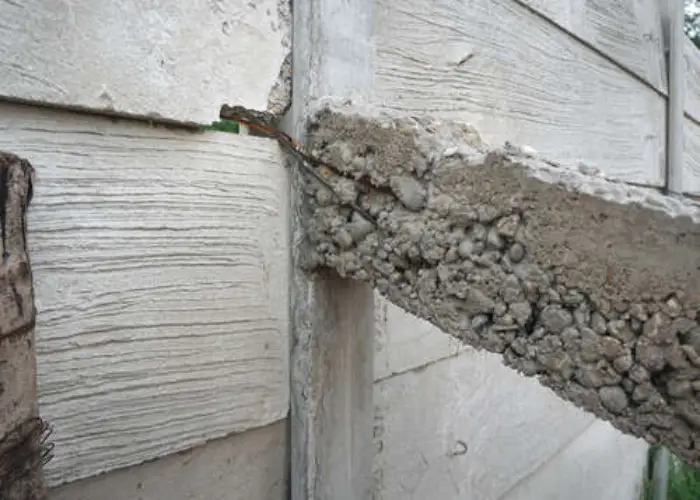
If there is poor floor preparation, then it will lead to:
- Uneven flooring
- Hollow areas under tiles
- Premature cracking
- Difficult installation
- Increased maintenance costs
Because of this, it’s better to have professional concrete finishing equipment than to use manual methods.
Use Concrete Screed Machines to Improve Flooring Quality
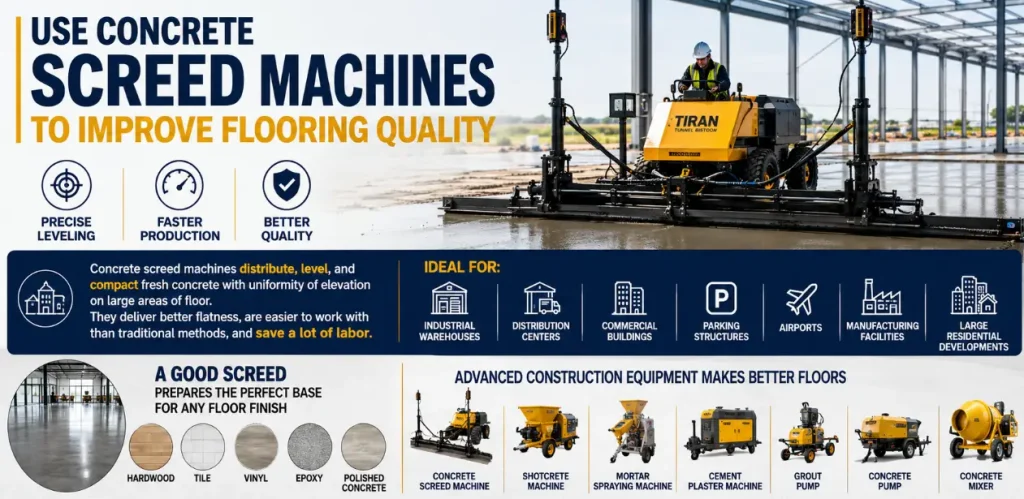
To use the most popular types of flooring, contractors can use modern concrete screed machines to achieve more precise and quicker production.
They distribute, level, and compact fresh concrete with uniformity of elevation on large areas of floor. Mechanical screeding results in a better flatness of the surface and is much easier to work with than traditional methods, which saves a lot of labor.
Concrete screeding is a commonly used technique in many areas, including:
- Industrial warehouses
- Distribution centers
- Commercial buildings
- Parking structures
- Airports
- Manufacturing facilities
- Large residential developments
A good screed can be used to prepare the base for hardwood, tile, vinyl, epoxy or polished concrete finishes.
Advanced Construction Equipment Makes Better Floors
The use of advanced construction equipment can lead to better floors, along with the most popular types of flooring. This requires special machinery for the construction projects when it comes to laying concrete in today’s day and age.
Mechanized equipment cuts down on man-hours, waste of materials, and creates a more precise concrete surface that helps satisfy the high engineering requirements.
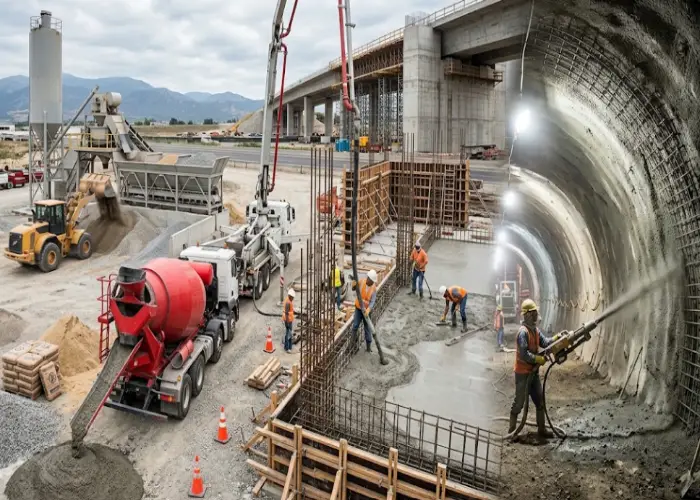
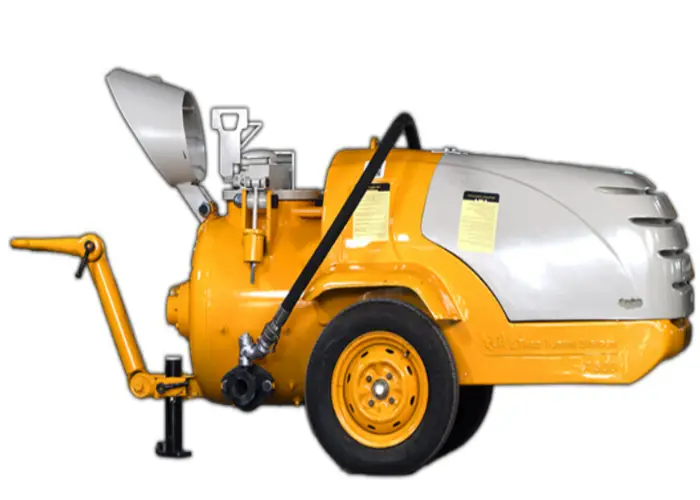
For concrete flooring and industrial floor construction, the equipment manufactured by Tiran Tunnel Bistoon includes:
- Concrete Screed Machine
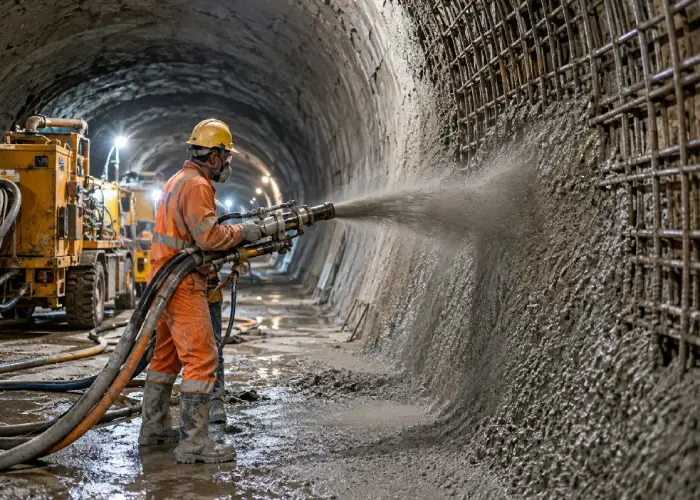
- Shotcrete Machine
- Mortar Spraying Machine
- Cement Plaster Machine
- Grout Pump
- Concrete Pump
- Concrete Mixer
Proper concrete preparation through professional screeding is vital to ensure a level, stable base that prevents cracking, unevenness, and high maintenance costs. Using advanced mechanized equipment, such as screed machines, optimizes this process by delivering superior surface flatness and efficiency compared to manual methods.
Tiran Tunnel Biston: Supporting Modern Concrete and Flooring Projects
Tiran Tunnel Bistoon makes high-quality equipment for concrete and cement flooring, which is used in various civil engineering and infrastructure projects. It offers a wide range of products, such as Concrete Screed Machines, Shotcrete Machines, Mortar Spraying Machines, Plaster Sprayers, Grout Pumps, Concrete Pumps, and other construction equipment that enhance concrete placement efficiency, accuracy, and surface finish. Visit our website, choose the best machine and contact us to place your order.
FAQs
- What are the most popular types of flooring?
Popular choices vary by application: hardwood is ideal for residential interiors, luxury vinyl and ceramic tiles are best for kitchens and bathrooms, and polished concrete or epoxy are industry standards for commercial and industrial spaces due to their high durability.
- Why is concrete floor preparation (screeding) so important?
Proper screeding creates a perfectly flat and stable base. Skipping this step leads to uneven surfaces, hollow spots under tiles, and premature cracking, which can compromise even the highest-quality flooring materials.
- How do concrete screed machines improve flooring quality?
Concrete screed machines automate the distribution, leveling, and compaction of concrete. This results in superior surface flatness and uniformity, reducing labor time and material waste.