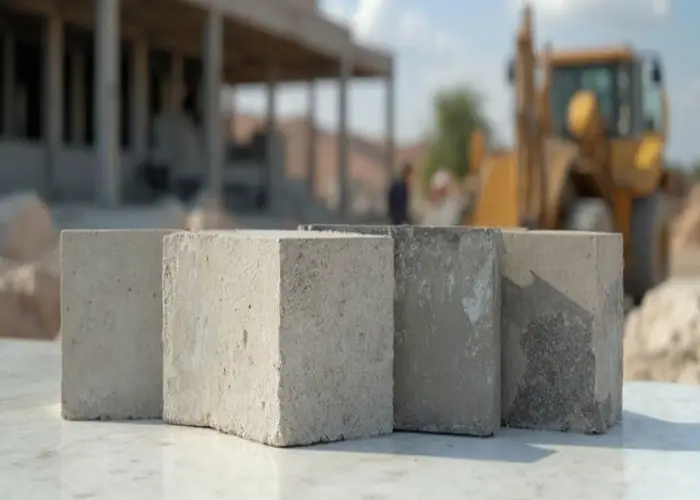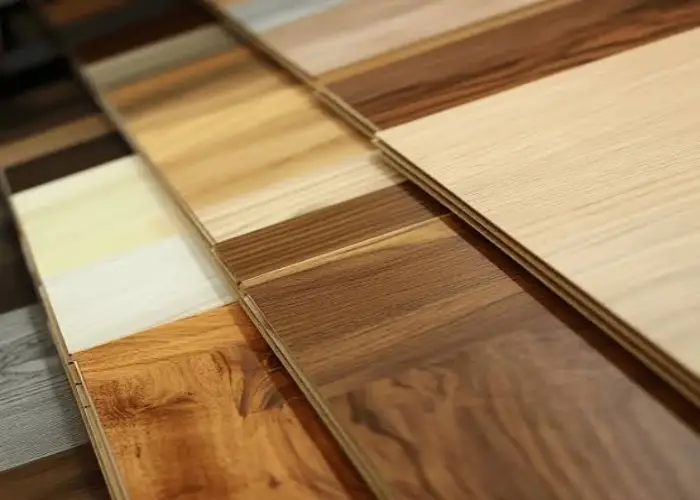
What are the different flooring materials available? Hardwood, engineered wood, laminate, vinyl, ceramic or porcelain tile, natural stone, concrete, carpet, bamboo, cork, rubber, and terrazzo are the primary materials. Screed is also essential as a smooth surface on which to lay the final floor finishes. The most appropriate selection is determined by the level of moisture, traffic, load, maintenance, aesthetics, and cost. We will provide a list of the types of flooring materials together with the most important of their characteristics. Stay with us.
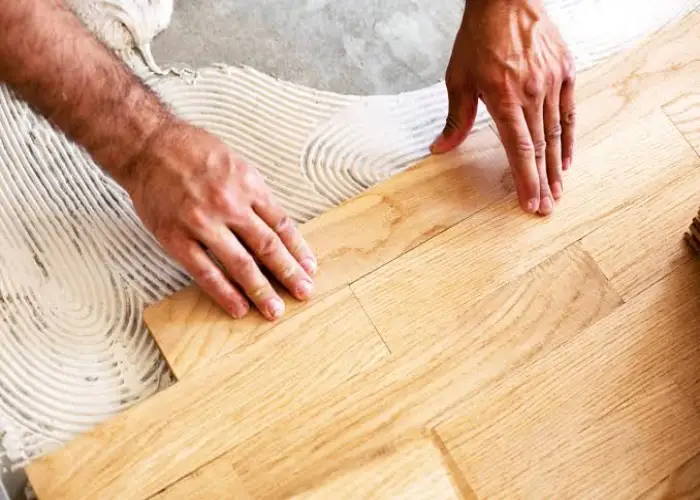
Flooring Materials List
Here are the most common flooring materials:
1. Hardwood Flooring
Hardwood refers to wood that is solid, natural, from oak, maple, walnut, or other wood. Uses are popular in bedrooms, living rooms, and offices due to its warm and natural look. Over the years, many hardwood floors can be sanded and refinished. But too much moisture may result in swelling or movement. Because of this, the subfloor and indoor moisture conditions should also be monitored before the installation.
2. Engineered Wood Flooring
Engineered wood is wood with a real wood surface on top of several layers of supporting wood. This will help to provide increased dimensional stability compared to many solid timber floors. It is suitable for homes, apartments, offices and renovation projects. If you select engineered wood, look at the thickness of the wood on top, the quality of the wood used in the core, and the installation system. These can impact durability and help prevent future maintenance problems.
3. Laminate Flooring
For those looking for the appearance of a wood or stone floor without the annoyance of dealing with natural material, laminate is a great option. It usually features a protective wear layer along with a printed design layer, dense core, and backing. Among different types of flooring materials, laminate is easy to clean and is often found in bedrooms, living rooms, and offices. But not all laminate is waterproof.
better to read: types of floor screed
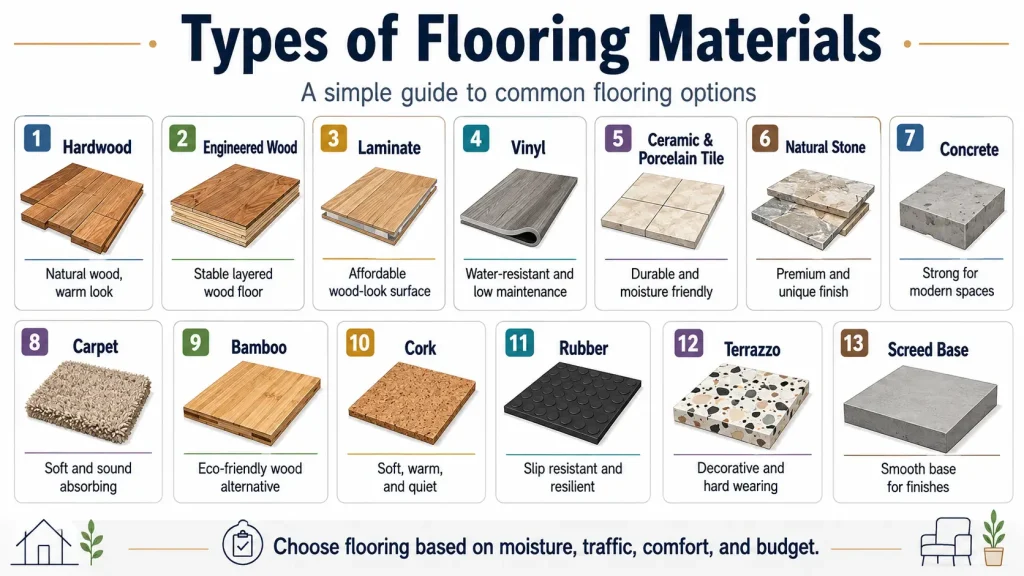
4. Vinyl Flooring
Vinyl is one of the most versatile flooring materials. It comes in sheets, tiles, luxury vinyl tile (LVT) and luxury vinyl plank (LVP). Most vinyl floors are able to withstand daily moisture exposure and are simple to maintain. This makes them suitable for use in offices, shops, apartments, bathrooms or kitchens.
5. Ceramic and Porcelain
Tile Popular use areas for ceramic and porcelain tiles include kitchens, bathrooms, entrances, balconies and commercial applications. Porcelain has a high density and is highly resistant to absorption, making it suitable for a variety of areas that come into contact with moisture.
6. Natural Stone
Flooring Natural stone flooring includes marble, granite, limestone, slate and travertine. It is customary in domestic and hotel buildings, as well as in commercial buildings. Stone being a natural material, may vary in colour and pattern depending on each piece. You may need to seal some stones.
7. Concrete Flooring
The finished surface can be formed via concrete, and concrete may be used for the structural floor, as well. Concrete floors are used in a variety of different ways depending on the environment, such as in a warehouse, factory, garage, shop and in modern homes. Concrete is particularly beneficial in situations where strength and heavy usage are a factor.
better to read: what is floor screeding
8. Carpet Flooring
Carpet is used in bedrooms, hotels, offices, and meeting rooms because it is soft and can also help to dampen sound. The durability of a carpet can vary according to the type of fiber used, its pile height, backing, and the amount of traffic. A carpet suitable for a bedroom won’t necessarily function effectively in a hectic office.
9. Bamboo Flooring
Bamboo is an alternative to traditional wood flooring with plant characteristics. Bamboo is a strong and aesthetic material for interior walls of houses. It is affected by density, quality of the manufacture, surface finish, and moisture control.
10. Cork Flooring
The softness and warmth of cork underfoot are better than many hard floor products. It can be used in bedrooms, home offices, and living rooms. It also has some beneficial sound-absorbing characteristics. But, if not protected, the surface can be damaged by the presence of standing water, sharp objects, and heavy furniture.
11. Rubber Flooring
Rubber flooring is frequently used in gymnasiums and sports centres, healthcare centres, workrooms and play areas. It offers impact absorption, grip and is relatively easy to clean. Rubber flooring comes in several different types including: rolls, tiles and interlocking systems. The appropriate thickness is determined by the traffic, load and impact. For instance, a gym floor would need a higher thickness product.
12. Terrazzo Flooring
Terrazzo is a blend of decorative aggregates (marble or stone chips) and a cement-based or resin-based binder. The surface is typically ground and polished in place. Terrazzo is frequently used in airports, hotels, schools, and shopping centres, etc in all buildings used by a high volume of people.
What Is Screed Flooring?
Screed is different from most types of flooring materials because it is usually a base layer rather than the final decorative surface.
Traditional screed is commonly made from cement, sand, and water. It is placed over a concrete slab or another suitable base to create a flat surface before tile, vinyl, wood, carpet, or another floor finish is installed.
Screed quality depends on the kind of screed machine, mix consistency, thickness, compaction, leveling, curing, and moisture conditions. Poorly installed screed can affect the final flooring above it.
How to Choose the Right Flooring Material
There is no single best flooring material for every project. Before choosing, consider:
- Moisture and water exposure
- Foot or vehicle traffic
- Expected loads
- Slip resistance
- Cleaning and maintenance
- Subfloor condition
- Installation requirements
- Required service life
- Appearance
- Initial and long-term cost
Tiran Tunnel Bistoon and Flooring Equipment
Large flooring projects need screed or lightweight concrete to be transferred and spread across wide areas with consistent thickness.
Tiran Tunnel Bistoon (TTB) has more than a decade of experience in designing and manufacturing construction and infrastructure machinery.
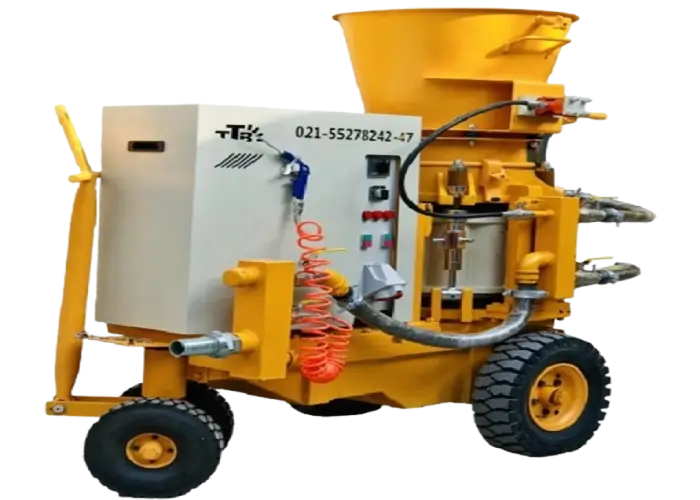
One of its products directly related to floor construction is the T500 Screed and Lightweight Concrete Spreading Machine. To see other machines, visit our website.
FAQs
- What are the most common types of flooring materials?
The most common types of flooring materials include hardwood, engineered wood, laminate, vinyl, ceramic and porcelain tile, natural stone, concrete, carpet, bamboo, cork, rubber, and terrazzo.
- Which flooring materials are suitable for high-traffic areas?
Porcelain tile, concrete, terrazzo, commercial vinyl, and some natural stones can work well in high-traffic areas.
- What should I check before choosing flooring materials?
Check moisture exposure, traffic level, durability, slip resistance, maintenance needs, subfloor condition, installation requirements, and budget.