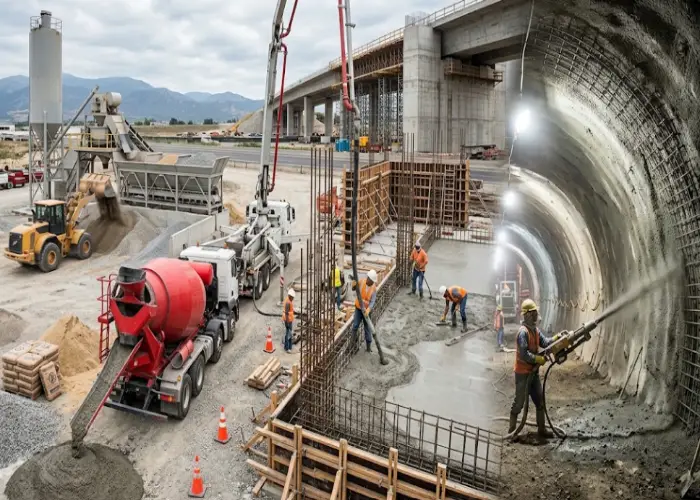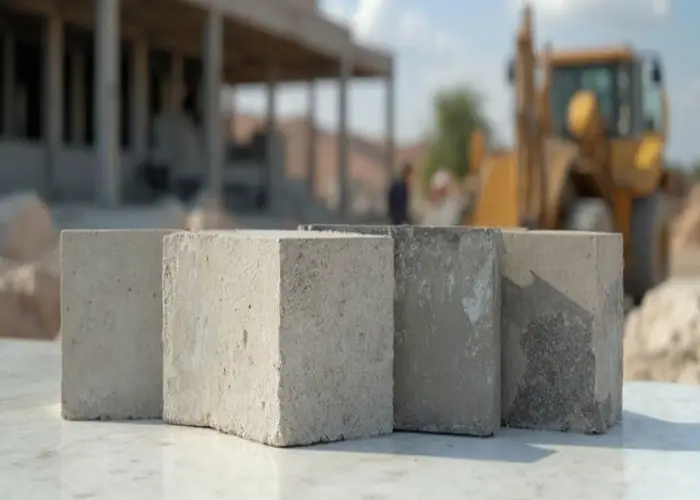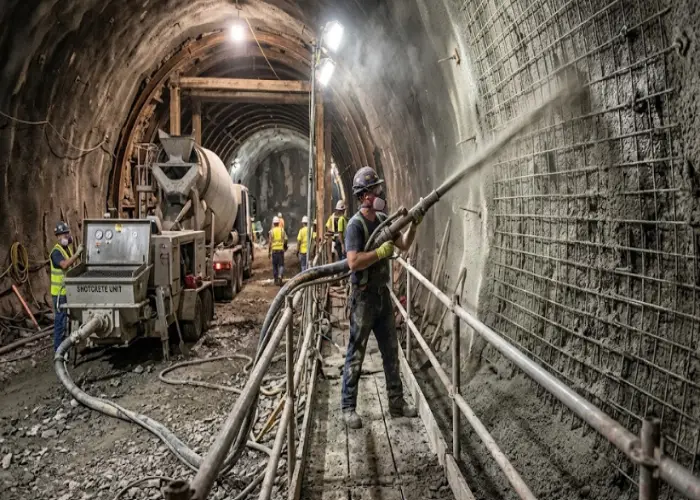
The shotcrete cost will vary based on some factors such as project size, concrete mix, thickness, labor, equipment, and site conditions. The price is not fixed as each shotcrete project is different. For instance, a small concrete repair project might cost less than a large construction project that needs advanced equipment, reinforcement, and continuous spraying.
The most common method to estimate the budget of a project are: shotcrete cost per square foot, shotcrete cost per cubic yard, and shotcrete cost per m3. The final price is generally determined after examining the project details, materials needed, and procedure of application.
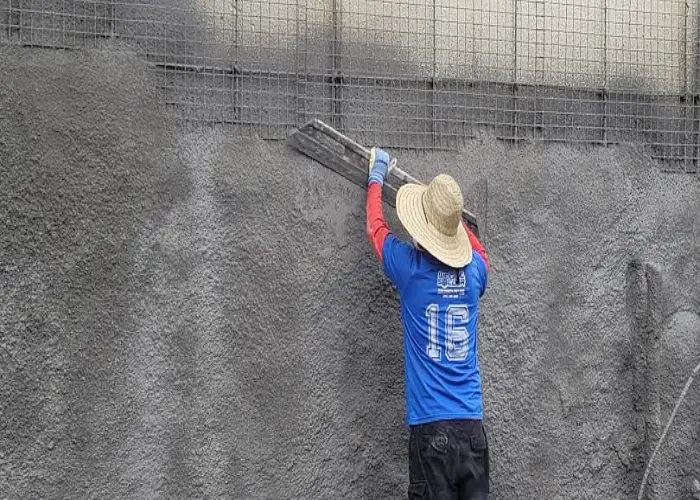
Shotcrete Cost Overview
The table below shows common ways contractors estimate shotcrete cost:
| Pricing Method | What Affects the Cost |
| Shotcrete cost per square foot | Thickness, surface preparation, labor, and project complexity |
| Shotcrete cost per cubic yard | Concrete volume, mix design, transportation, and equipment |
| Shotcrete cost per m³ | Material cost, location, labor, and application method |
Reported shotcrete cost is defferent depending on the project type. For some residential applications, costs are often calculated around $6–$20 per square foot or based on cubic yard pricing, while commercial and industrial projects can have different cost structures due to equipment and engineering requirements.
What Is Shotcrete?
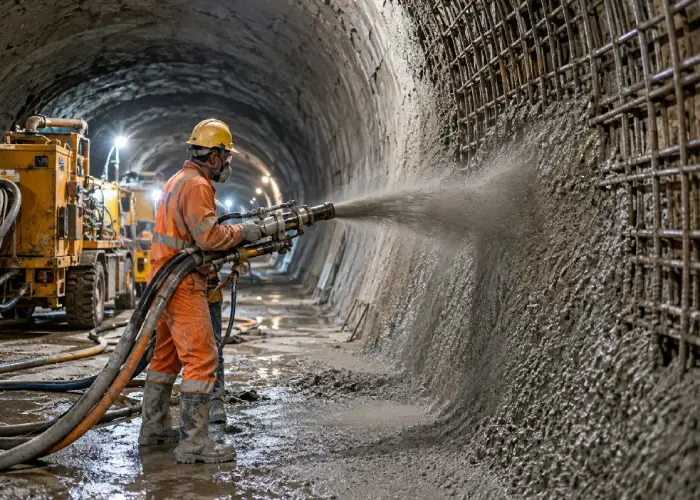
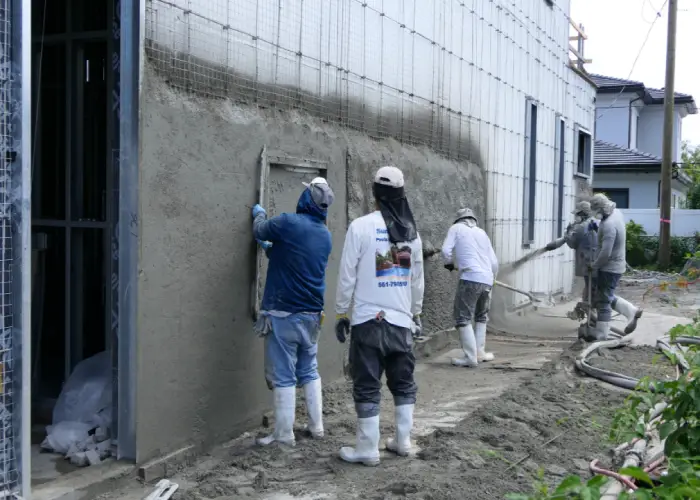
Shotcrete is a concrete placement technique in which concrete is pumped through a hose and nozzle to a surface at high velocities. Good bonding and the ability to place concrete vertically, on curves or in overhead areas are also a result of the effect that the sprayed material has.
The shotcrete process is generally easier to use than traditional placement of concrete, and are suitable for use in the following applications:
- Concrete repair
- Retaining walls
- Swimming pools
- Slope stabilization
- Mining projects
- Underground structures
- Tunnel construction
Main Factors That Affect Shotcrete Cost
The main factors influencing shotcrete cost per yard are:
1. Size of Project and Quantity of Materials
The size of the project has a major impact on the total shotcrete cost. Generally, large projects are more cost-effective because the setup and transportation of equipment can be spread over a greater quantity of projects, and the labour costs are spread over a larger number of projects. For small projects, the price per unit could be higher since the contractors still require specialized machinery and skilled workers to come to the job site.
2. Shotcrete Thickness
The amount of sprayed concrete material is directly related to the thickness of the sprayed concrete layer. The thickness of the protective layer is proportional to the amount of concrete needed, and thicker layers are required (and sometimes additional reinforcement) for structural applications.
Engineers typically think of the following before estimating shotcrete cost per square foot:
- Required thickness
- Surface condition
- Structural requirements
- Environmental conditions
3. Wet-Mix vs Dry-Mix Shotcrete
The application procedure can also affect the final costs.
Wet-Mix Shotcrete
The cement, aggregates, water, and additives are mixed before being fed into the wet-mix shotcrete equipment. This method is typically employed when projects are larger due to its consistency and production speed.
Benefits include:
- More effective control of concrete quality.
- Reduced dusting while spraying or spraying volume.
- Great for paying bills, making mortgage payments, and other regular expenses
better to read: Mortar spraying machine
Dry-Mix Shotcrete
Dry-mix shotcrete involves the conveyance of dry material in the hose, with water being added at the nozzle. This is a good process to use for smaller projects and repair work.
Benefits include:
- Flexible application
- Easier transportation
- Easy to move around in the limited space
Which approach to take will depend on the nature of the project, its location, and how quickly it is expected to be produced and the shotcrete cost per m3.
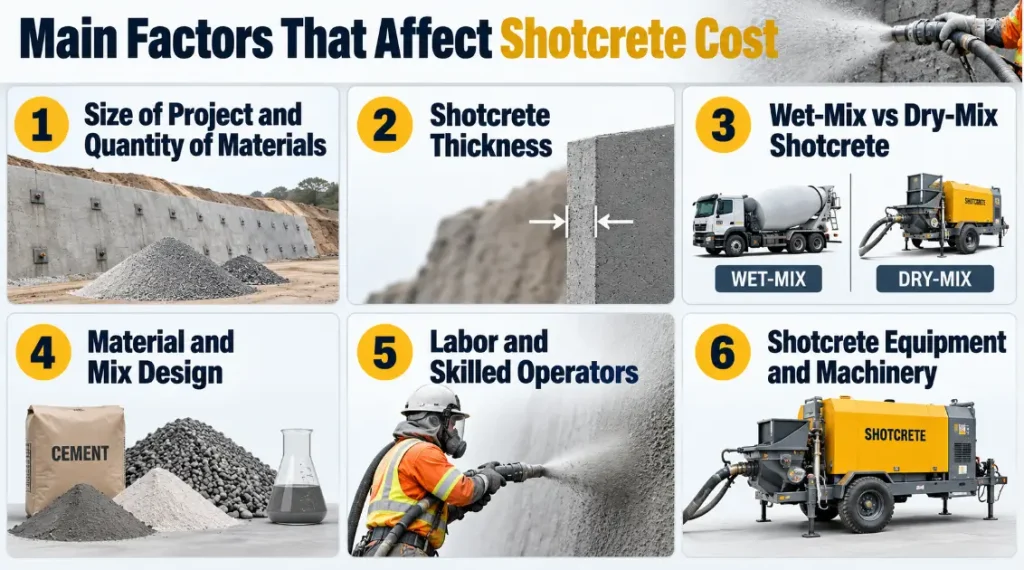
Material and Mix Design
The concrete mixture has an important role in the price of shotcrete. Various projects may need:
- Higher strength concrete
- Fiber reinforcement
- Waterproof additives
- Special aggregates
- Fast-setting materials
For instance, projects that demand greater durability or reinforcement are likely to be more expensive due to the materials used.
5. Labor and Skilled Operators
Application of shotcrete requires experience, particularly for nozzle operators. Proper spraying technique will influence:
- Concrete bonding
- Material waste
- Surface quality
- Final durability
Shotcrete Equipment and Machinery
One important component of shotcrete cost per m3 of the project is equipment. Equipment used for common use in shotcrete:
- Shotcrete machines
- Concrete pumps
- Air compressors
- Hoses and nozzles
- Automatic spraying systems
The right equipment can increase the speed of spraying, decrease material loss, and increase application quality.
Shotcrete Cost Compared With Traditional Concrete
Shotcrete will have a higher installation cost compared with traditional concrete placement. However, it can reduce total construction expenses in certain situations.
Some advantages include:
- Less need for formwork
- Faster application
- Easier placement on complex surfaces
- Better access to difficult areas
For projects with unusual shapes or limited working space, shotcrete can be a more efficient solution compared with conventional concrete methods.
How to Estimate Shotcrete Cost
A proper shotcrete cost estimate should include:
- Surface area
- Required thickness
- Concrete volume
- Material type
- Reinforcement requirements
- Labor cost
- Equipment requirements
- Transportation and site conditions
The basic calculation of shotcrete cost starts with determining the required volume:
Volume = Surface Area × Thickness
After calculating the required material, contractors add equipment, labor, preparation work, and other project expenses.
better to read: Material transfer device
Choosing the Right Shotcrete Equipment with Tiran Tunnel Biston
Selecting suitable machinery has a direct impact on shotcrete performance and project shotcrete cost. Tiran Tunnel Bistoon provides shotcrete machines and related equipment for concrete spraying applications. The company focuses on manufacturing equipment designed to support efficient shotcrete operations in construction and industrial projects.
Using reliable shotcrete equipment helps contractors improve spraying quality, reduce material loss, and achieve better results. Choosing the right machine based on project requirements is an important step toward controlling costs and improving productivity. Visit our website and select the best equipment for your projects.
FAQs
- How much does shotcrete cost per square foot?
The shotcrete cost per square foot depends on thickness, location, labor, equipment, and project requirements. Some residential applications are reported around $6–$20 per square foot, but commercial projects require a more detailed estimate.
- Is shotcrete more expensive than regular concrete?
Shotcrete has higher installation costs, but it can reduce total project expenses by lowering formwork requirements and improving construction efficiency.
- What equipment is needed for shotcrete application?
Typical equipment includes shotcrete machines, pumps, compressors, hoses, and spraying systems. Large projects may use automated equipment for better productivity. - How can shotcrete costs be reduced?
Costs can be reduced by selecting the correct application method, using suitable equipment, reducing material waste, and planning the project properly.